- Platform
- Features
 Franchise & Multi-Unit ManagementCentralize oversight and streamline growth across your entire multi location network
 Learning ManagementTrain, verify, and reward your workforce with mobile-first education
 Operations ExecutionStreamlined operations ensuring brand standards, accountability and efficiency
 Asset ManagementOptimize equipment uptime through proactive maintenance and smart tracking
 Digital Food SafetyAutomate compliance and monitor quality with real-time digital precision
 Health & Safety Management (EHS)Mitigate workplace risks and streamline digital incident reporting and investigations
- Platform Essentials
 Powerful ReportingAlign leadership with role-based dashboards and deeper analytics
 Operandio IntelligenceAutomate content, analyze trends, and provide instant answers
 IntegrationsUnify your enterprise tech stack with real-time data
 IoT PlatformDetect anomalies and automate workflows with intelligent sensors
 Mobile & Shared Tablet AppsSecurely empower frontline teams with fast, offline-capable access
- Footer


 Not sure what you need?
Book in a call with the team
- Features
- Solutions
- By Industry
 RestaurantsQSR, fast food and multi-unit restaurants
 Hotels & ResortsHotels, resorts and extended stay hotels
 ChildcareEarly education, childcare, daycare and preschool
 EntertainmentTheme parks, family entertainment centers and play centers
 Fitness Centers & LeisureFitness centers, golf clubs, gyms and sports facilities
 RetailBig-box retailers, franchise stores and supermarkets
- By Use Case
- Operational ExcellenceStreamlined operations ensuring brand standards, accountability and efficiency
- Learning & DevelopmentTrain, verify, and reward your workforce with mobile-first education
- Franchise & Multi-Unit ManagementCentralize oversight and streamline growth across your entire multi location network
- Food Safety ComplianceAutomate compliance and monitor quality with real-time digital precision
- Asset Management & MaintenanceOptimize equipment uptime through proactive maintenance and smart tracking
- Health & Safety Management (EHS)Mitigate workplace risks and streamline digital incident reporting and investigations
- By Industry
- Resources
- Platform
- Features
- Franchise & Multi-Unit ManagementCentralize oversight and streamline growth across your entire multi location network
- Learning ManagementTrain, verify, and reward your workforce with mobile-first education
- Operations ExecutionStreamlined operations ensuring brand standards, accountability and efficiency
- Asset ManagementOptimize equipment uptime through proactive maintenance and smart tracking
- Digital Food SafetyAutomate compliance and monitor quality with real-time digital precision
- Health & Safety Management (EHS)Mitigate workplace risks and streamline digital incident reporting and investigations
- Platform Essentials
- Powerful ReportingAlign leadership with role-based dashboards and deeper analytics
- Operandio IntelligenceAutomate content, analyze trends, and provide instant answers
- IntegrationsUnify your enterprise tech stack with real-time data
- IoT PlatformDetect anomalies and automate workflows with intelligent sensors
- Mobile & Shared Tablet AppsSecurely empower frontline teams with fast, offline-capable access
- Footer
- Not sure what you need?
Book in a call with the team
- Features
- Solutions
- By Industry
- RestaurantsQSR, fast food and multi-unit restaurants
- Hotels & ResortsHotels, resorts and extended stay hotels
- ChildcareEarly education, childcare, daycare and preschool
- EntertainmentTheme parks, family entertainment centers and play centers
- Fitness Centers & LeisureFitness centers, golf clubs, gyms and sports facilities
- RetailBig-box retailers, franchise stores and supermarkets
- By Use Case
- Operational ExcellenceStreamlined operations ensuring brand standards, accountability and efficiency
- Learning & DevelopmentTrain, verify, and reward your workforce with mobile-first education
- Franchise & Multi-Unit ManagementCentralize oversight and streamline growth across your entire multi location network
- Food Safety ComplianceAutomate compliance and monitor quality with real-time digital precision
- Asset Management & MaintenanceOptimize equipment uptime through proactive maintenance and smart tracking
- Health & Safety Management (EHS)Mitigate workplace risks and streamline digital incident reporting and investigations
- By Industry
- Resources
Mastering US Food Safety Standards: A Complete Guide to Requirements and Stress-Free Compliance
Key Takeaways: What You Need to Know
- The Gold Standard: The US FDA Food Code focuses on Active Managerial Control—proactively identifying and documenting risks before they cause illness.
- The “Danger Zone”: Maintaining food temperatures outside of the 41°F to 135°F (5°C to 57°C) range is the most critical daily requirement.
- The 7-Day Rule: Ready-to-Eat (RTE) perishable foods must be date-marked and used or discarded within 7 days.
- Digital Transformation: Moving from paper logs to automated systems like Operandio eliminates “pencil whipping” and ensures you are audit-ready 24/7.
In the global food service industry, the US FDA Food Code is often viewed as the “North Star.” It is a rigorous, science-based set of regulations designed to shift food safety from a reactive “cleanup” mode to a proactive system of risk management.
For teams in the Middle East or other international regions looking to benchmark their operations, the US system offers a clear—though demanding—blueprint. However, for the managers on the ground, “rigorous” often translates to “stressful.”
Below, we break down the core pillars of US compliance and how modern technology is finally replacing the clipboard.
The 3 Pillars of US Food Safety Compliance
To operate a food business in the US, you must prove to health inspectors that you are managing the “Big 5” foodborne pathogens (Norovirus, Salmonella, Shigella, E. coli, and Hepatitis A).
According to the CDC Food Safety Guidelines, these are responsible for the majority of foodborne illnesses. This is typically achieved through three primary areas of focus:
1. Temperature & Time Control (TCS)
The most critical battle in food safety is fought against the “Danger Zone”—the temperature range between 41°F and 135°F (5°C to 57°C) where bacteria thrive.
- Holding: Cold foods must stay below 41°F; hot foods must stay above 135°F.
- The Cooling Curve: The US requires a strict “two-stage” cooling process (e.g., dropping from 135°F to 70°F within two hours).
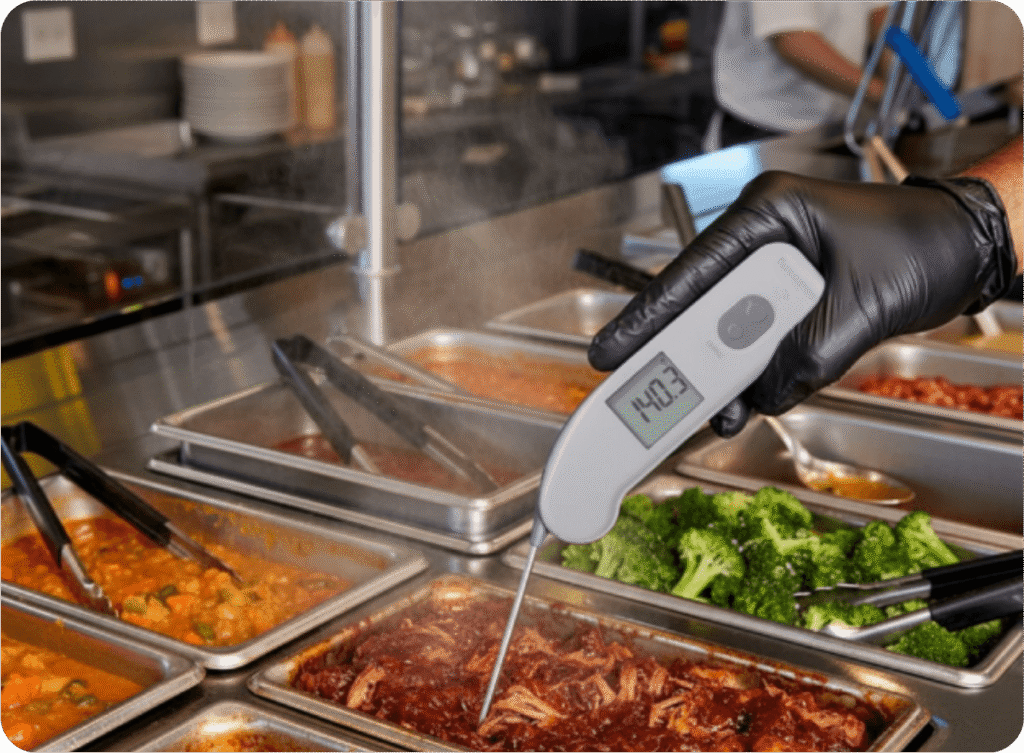
- The Burden: Traditionally, this requires staff to manually probe food and check fridge gauges every few hours, logging the results on paper.
2. Precision Labeling & Traceability
If you can’t track it, you can’t guarantee its safety.
- The 7-Day Rule: Any Ready-to-Eat (RTE) perishable food prepared on-site and held for more than 24 hours must be date-marked. The FDA mandates a maximum shelf life of 7 days.
- Allergen Management: With the recent addition of sesame as the 9th major US allergen (per the FDA Food Allergen Safety Act), cross-contact prevention and clear labeling are under higher scrutiny than ever.
3. Rigorous Daily Compliance Logs
A health inspector doesn’t just want to see that your kitchen is clean today; they want to see the “audit trail” for the last 90 days.
- Sanitization: Daily checks of chemical concentrations (Chlorine or Quats) using test strips.
- Handwashing: Ensuring stations are stocked with soap, paper towels, and “wash hands” signage at all times.
The Problem: The “Pencil Whipping” Trap
In many kitchens, compliance is managed with paper and pen. This leads to several risks:
- Human Error: Staff forget to take a temp or miscalculate a “use-by” date.
- Pencil Whipping: Falsifying logs at the end of a shift just to look compliant—a practice that leaves owners legally vulnerable.
- Information Gaps: A fridge could fail at midnight, and you won’t know until the morning when the stock is already spoiled.
The FDA’s “New Era”: Why Digital is the New Standard
The shift from paper to digital is no longer just a matter of convenience—it is a formal priority of the US government. Under the FDA’s New Era of Smarter Food Safety blueprint, the FDA is pushing for a digital, traceable food system to replace outdated paper-based records.
This initiative emphasizes that tech-enabled tools are essential for “Active Managerial Control,” allowing businesses to respond to food safety data in real-time rather than weeks later. By adopting a digital platform, you aren’t just making life easier; you are aligning your business with the future of global food safety law.
To evaluate the top options on the market, explore this guide to the best food compliance platforms.
The Solution: How to Automate 100% Compliance
The secret to meeting high-level US standards without burning out your staff is Digital Transformation. Choosing the right HACCP software and moving from manual paper logs to an automated platform like Operandio turns compliance from a chore into a background process.
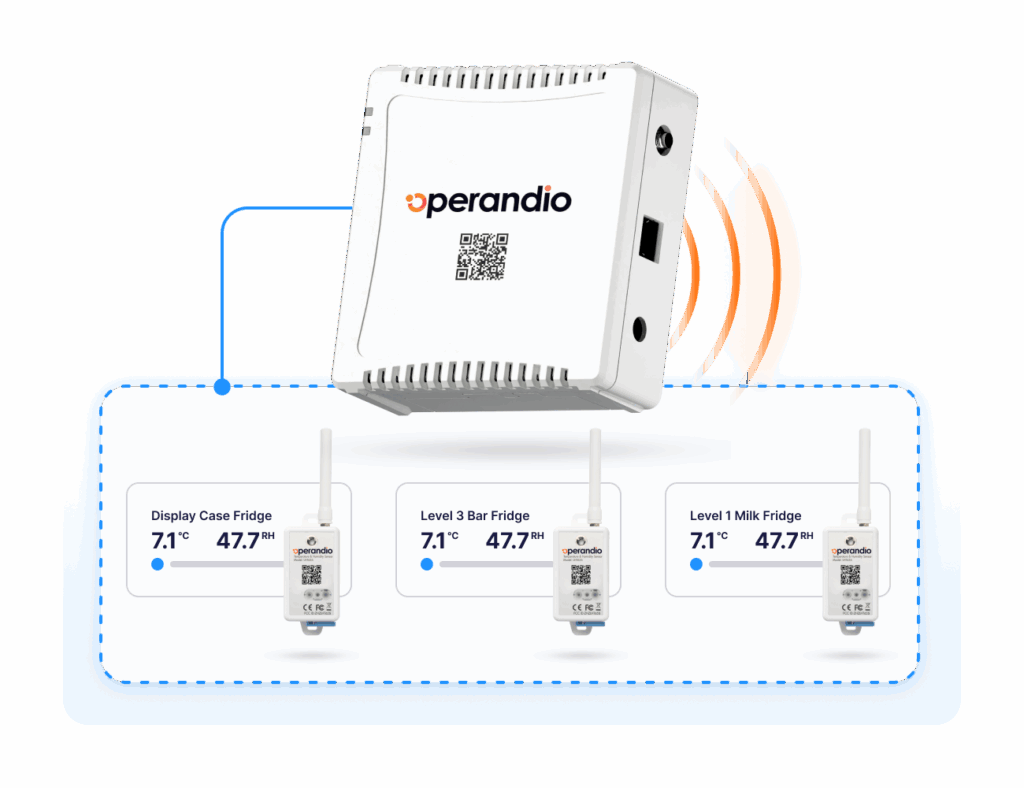
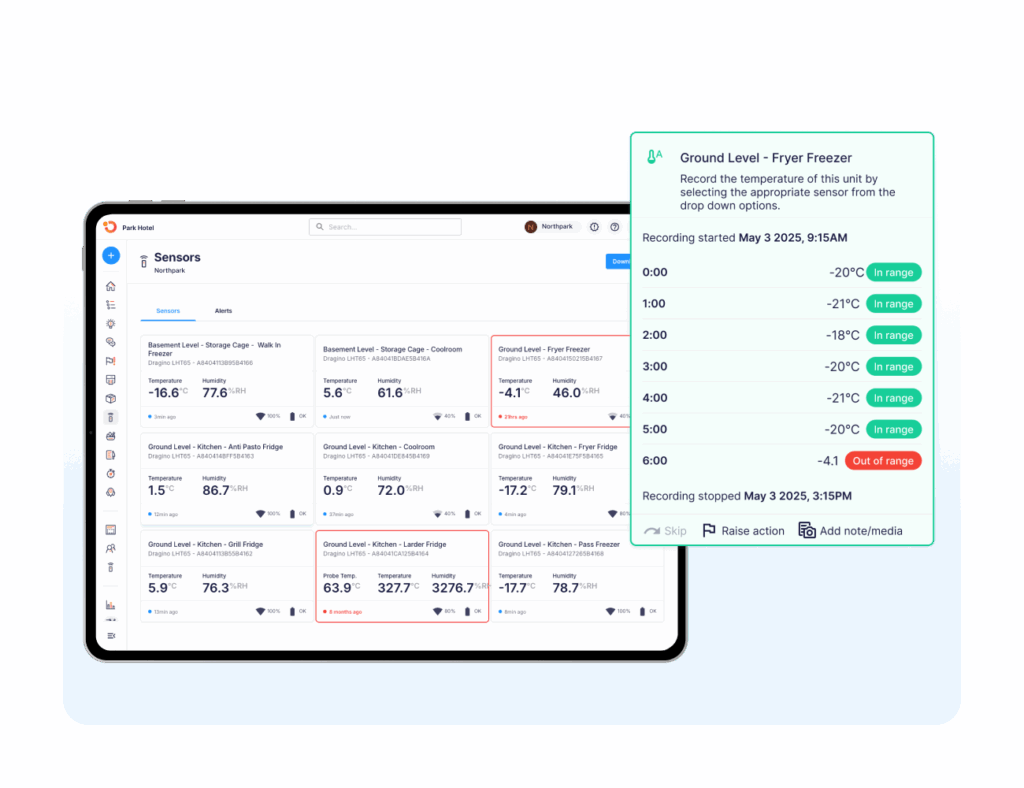
🛰️ 24/7 Automated Temperature Monitoring
Instead of staff checking fridges every four hours, wireless Bluetooth sensors do it every minute. If a walk-in freezer hits 42°F at 2:00 AM, the right people get a text alert immediately. You save the stock, and you have a perfect digital record for the inspector.
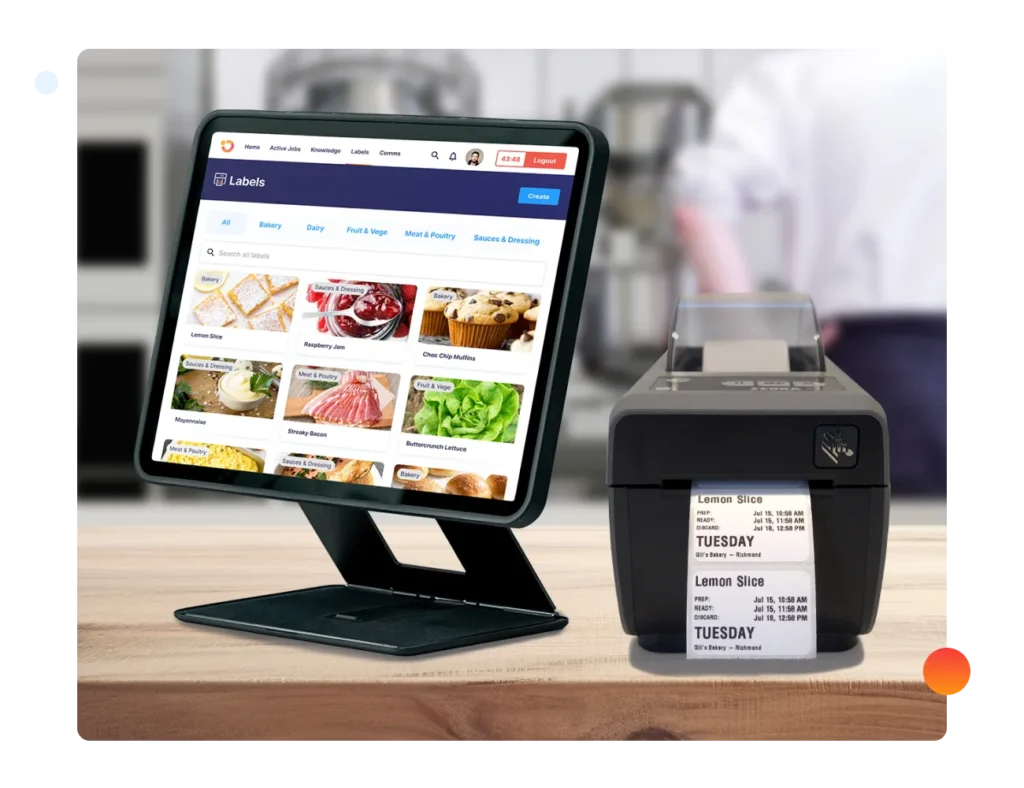
🏷️ Intelligent Automated Labeling
Forget handwritten tape that falls off in the walk-in. Digital labeling systems automatically calculate the 7-day expiration date based on the US Food Code the moment a label is printed. It’s faster, cleaner, and 100% accurate.
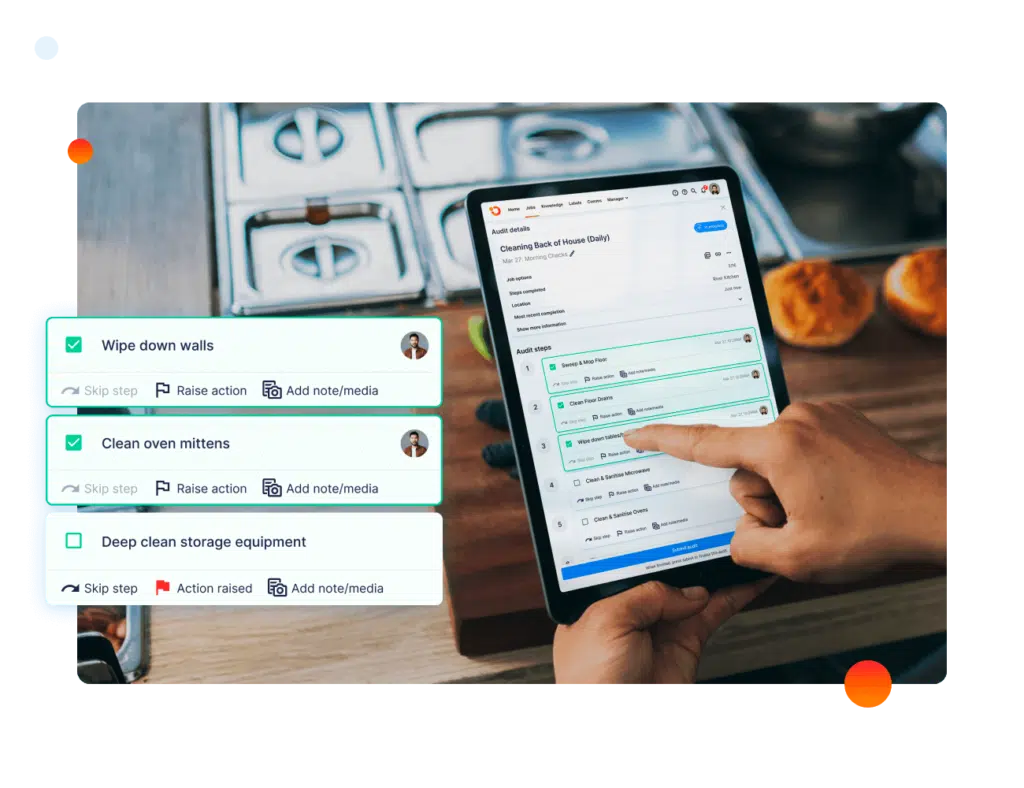
✅ Frictionless Digital Checklists
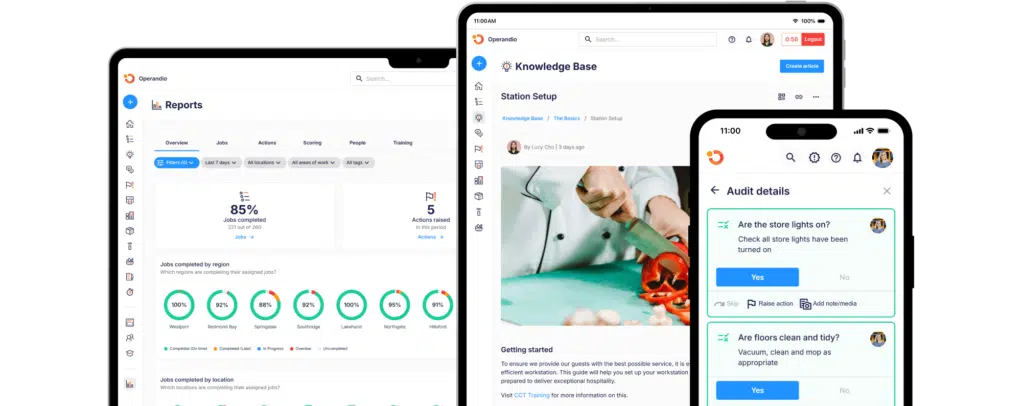
Replace the “book of logs” with a tablet. Operandio guides staff through their daily requirements with photo-verified tasks. Managers can see in real-time—from any location—whether the Middle East team or the US team has completed their safety checks.
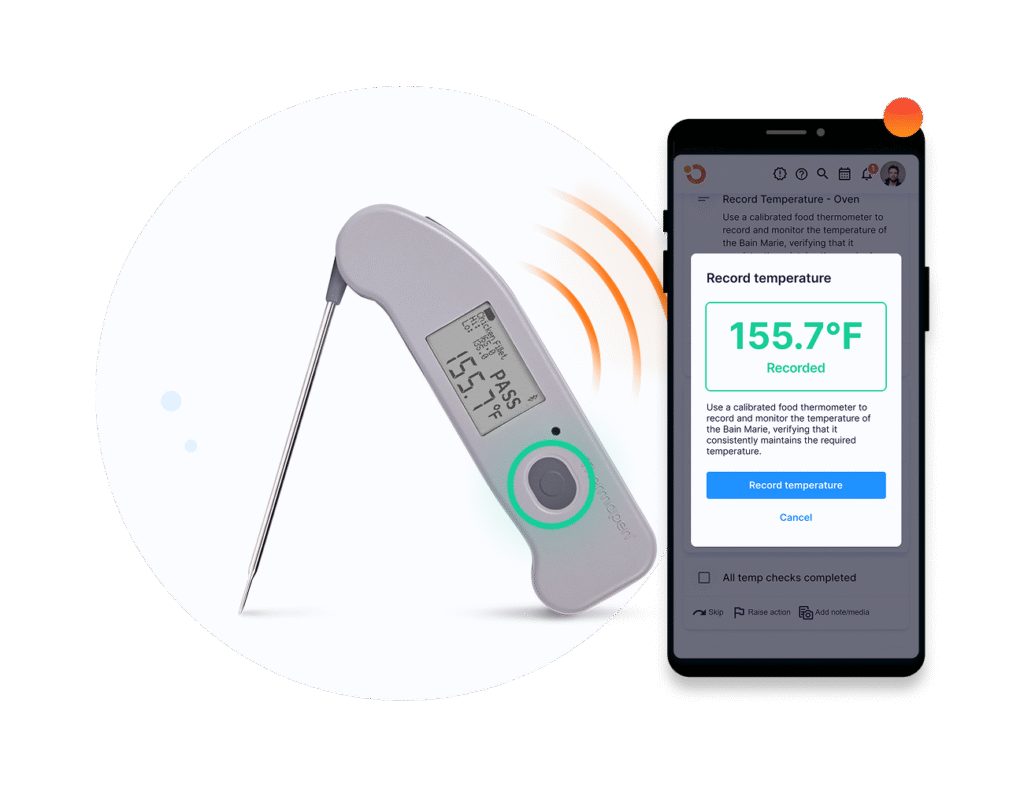
🌡️ Bluetooth Probe Integration for Fast, Accurate Checks
Manual temperature logging is slow and prone to “pencil whipping.” Operandio integrates directly with supported Bluetooth probes to capture cook temperatures, cooling checks, and internal food temps instantly.
- Eliminate Human Error: Readings are transmitted directly from the probe to the app—no manual entry required.
- Instant HACCP Compliance: Every reading is time-stamped and logged, ensuring your cooling and reheating logs are 100% accurate and audit-ready.
🛡️ Audit-Ready in Seconds
When an inspector walks in, the stress level usually spikes. With a digital system, you simply hand them a tablet or export a PDF. Every temperature, every cleaning task, and every employee health check is time-stamped and organized.
Conclusion: Compliance as a Competitive Advantage
Whether you are following US FDA standards as a local requirement or using them as a global benchmark, the goal is the same: safe food and a protected brand.
By automating the “boring” parts of food safety, you allow your chefs to focus on the food, while technology handles the fine print.
Ready to see how digital checklists can transform your kitchen? Book a demo with Operandio today.