
- Platform
- Features
 Operations ExecutionStreamlined operations ensuring brand standards, accountability and efficiency
 Learning ManagementTrain, verify, and reward your workforce with mobile-first education
 Franchise & Multi-Unit ManagementCentralize oversight and streamline growth across your entire multi location network
 Digital Food SafetyAutomate compliance and monitor quality with real-time digital precision
 Asset ManagementOptimize equipment uptime through proactive maintenance and smart tracking
 Health & Safety Management (EHS)Mitigate workplace risks and streamline digital incident reporting and investigations
- Platform Essentials
 AI-Powered ToolsAutomate content, analyze trends, and provide instant answers
 IntegrationsUnify your enterprise tech stack with real-time data
 Powerful ReportingAlign leadership with role-based dashboards and deeper analytics
 IoT PlatformDetect anomalies and automate workflows with intelligent sensors
 Mobile & Shared Tablet AppsSecurely empower frontline teams with fast, offline-capable access
- Footer


 Not sure what you need?
Book in a call with the team
- Features
- Solutions
- By Industry
 RestaurantsQSR, fast food and multi-unit restaurants
 Hotels & ResortsHotels, resorts and extended stay hotels
 ChildcareEarly education, childcare, daycare and preschool
 EntertainmentTheme parks, family entertainment centers and play centers
 Fitness Centers & LeisureFitness centers, golf clubs, gyms and sports facilities
 RetailBig-box retailers, franchise stores and supermarkets
- By Use Case
- Operational ExcellenceStreamlined operations ensuring brand standards, accountability and efficiency
- Learning & DevelopmentTrain, verify, and reward your workforce with mobile-first education
- Franchise & Multi-Unit ManagementCentralize oversight and streamline growth across your entire multi location network
- Food Safety ComplianceAutomate compliance and monitor quality with real-time digital precision
- Asset Management & MaintenanceOptimize equipment uptime through proactive maintenance and smart tracking
- Health & Safety Management (EHS)Mitigate workplace risks and streamline digital incident reporting and investigations
- By Industry
- Resources
- Platform
- Features
- Operations ExecutionStreamlined operations ensuring brand standards, accountability and efficiency
- Learning ManagementTrain, verify, and reward your workforce with mobile-first education
- Franchise & Multi-Unit ManagementCentralize oversight and streamline growth across your entire multi location network
- Digital Food SafetyAutomate compliance and monitor quality with real-time digital precision
- Asset ManagementOptimize equipment uptime through proactive maintenance and smart tracking
- Health & Safety Management (EHS)Mitigate workplace risks and streamline digital incident reporting and investigations
- Platform Essentials
- AI-Powered ToolsAutomate content, analyze trends, and provide instant answers
- IntegrationsUnify your enterprise tech stack with real-time data
- Powerful ReportingAlign leadership with role-based dashboards and deeper analytics
- IoT PlatformDetect anomalies and automate workflows with intelligent sensors
- Mobile & Shared Tablet AppsSecurely empower frontline teams with fast, offline-capable access
- Footer
- Not sure what you need?
Book in a call with the team
- Features
- Solutions
- By Industry
- RestaurantsQSR, fast food and multi-unit restaurants
- Hotels & ResortsHotels, resorts and extended stay hotels
- ChildcareEarly education, childcare, daycare and preschool
- EntertainmentTheme parks, family entertainment centers and play centers
- Fitness Centers & LeisureFitness centers, golf clubs, gyms and sports facilities
- RetailBig-box retailers, franchise stores and supermarkets
- By Use Case
- Operational ExcellenceStreamlined operations ensuring brand standards, accountability and efficiency
- Learning & DevelopmentTrain, verify, and reward your workforce with mobile-first education
- Franchise & Multi-Unit ManagementCentralize oversight and streamline growth across your entire multi location network
- Food Safety ComplianceAutomate compliance and monitor quality with real-time digital precision
- Asset Management & MaintenanceOptimize equipment uptime through proactive maintenance and smart tracking
- Health & Safety Management (EHS)Mitigate workplace risks and streamline digital incident reporting and investigations
- By Industry
- Resources
ADA Compliance Requirements for Restaurants: Complete 2026 Guide
Key Takeaways
- Restaurants must follow ADA rules for entrances, seating, restrooms, walkways, and parking. Older and newer buildings follow different standards.
- The ADA expects you to remove barriers that are simple and affordable. Keep notes on what you fix and why. This protects you during claims.
- Multi-unit operators face higher stakes. A single failing site can lead to $75,000 fines and hurt your brand across all locations.
- ADA support exists. Small businesses earn a $5,000 tax credit, and all companies can deduct up to $15,000 for barrier removal in the same year.
ADA compliance across multiple locations demands more than good intentions. You need a system that keeps each site on standard every day without you standing there with a checklist.
This guide explains what the ADA requires, which rules apply to restaurants, the violations operators often miss, and how to stay compliant when you manage many locations at once.
What is the Americans with Disabilities Act?
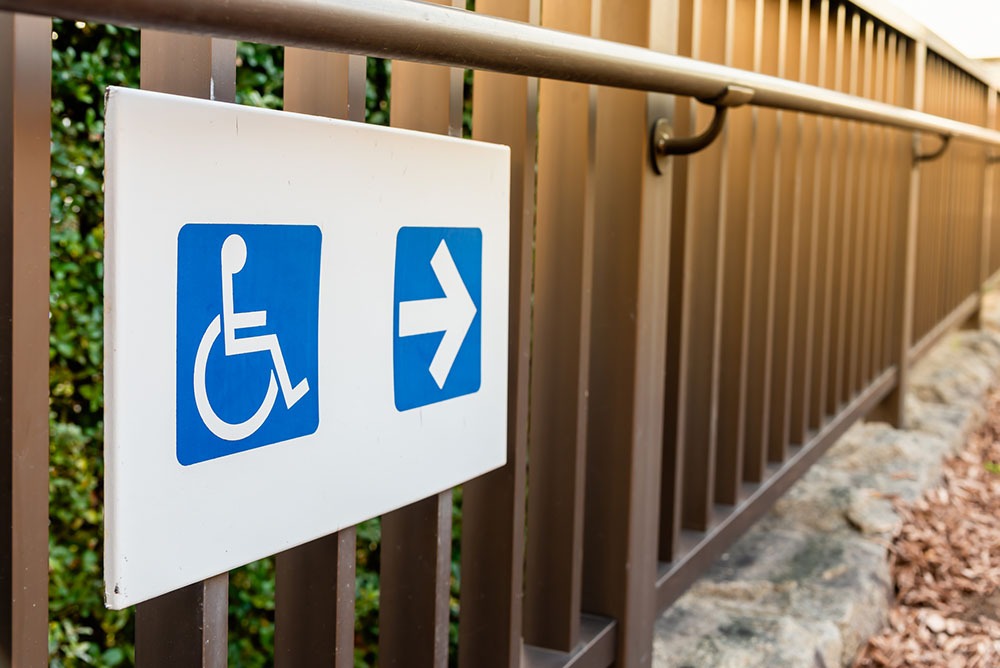
The Americans with Disabilities Act of 1990 prohibits discrimination against individuals with disabilities. Title III addresses public accommodations, including restaurants, ensuring everyone can enter, navigate, use facilities, and dine.
Why ADA Compliance Is Critical for Multi-Unit Restaurants
With many locations, ADA compliance becomes a daily challenge.
As a restaurant owner or senior manager, you can’t be at each site to check walkways, restrooms, or parking areas. And as your footprint grows, minor issues grow faster.
More importantly, one weak location never stays local. When a restaurant in Chicago fails ADA standards, that violation appears next to your Dallas and Phoenix stores online.
Guests don’t judge by address. They judge by brand. So one mistake harms the reputation of every location you run.
This pressure also increases turnover, because poor systems force teams to guess or improvise. And when teams improvise, ADA tasks slip, which exposes your business to more risk.
For this reason, consistent kitchen and front-of-house compliance becomes essential. Digital systems create one standard across all locations. They confirm tasks get done, keep permanent records, and remove guesswork from daily operations.
Which ADA Standards Apply to Your Restaurant?
The ADA has two design standards — the 1991 and 2010. Which applies depends on when your building was constructed or altered.
- If built or altered after January 26, 1993: Your building must meet the complete 2010 ADA Standards.
- If built before 1993: Must remove barriers where “readily achievable.”
- Making alterations: Altered areas must meet the 2010 Standards to the maximum extent feasible if alterations affect primary function areas (dining rooms).
Path of travel upgrades are required unless they exceed 20% of total alteration costs. If you spend $100,000 renovating your dining room, you spend up to $20,000 making the path accessible.
What Does “Readily Achievable” Mean?
“Readily achievable” means “easily accomplishable without much difficulty or expense.” This isn’t fixed; what’s achievable for a three-location chain differs from a 100-location franchise. The determination depends on your financial resources, employees, operation type, and impact.
Important Note: Document your decisions. If someone files a complaint, you need records showing you evaluated barriers, assessed costs, and made documented decisions.
The 7 Key ADA Requirements for Restaurants
1. Accessible Entrances
Your restaurant’s main entrances must accommodate wheelchairs with doors at least 32 inches wide, ramps with a maximum 1:12 slope, lever or loop handles (not round knobs), and doors requiring less than 5 pounds of force.
If accessible entrances aren’t readily achievable, provide alternative service: curbside pickup, phone orders, or delivery.
2. Parking Requirements
If you provide parking, accessible spaces are required:
- 1 to 25 spaces: 1 accessible space
- 26 to 50 spaces: 2 accessible spaces
- 51 to 75 spaces: 3 accessible spaces
One in six accessible spaces must be van-accessible with wider access aisles. All require proper signage with the accessibility symbol mounted at least 60 inches above ground.
Common violation: Accessible spaces far from accessible entrances, forcing wheelchair users to traverse parking lot traffic.
3. Clear Paths of Travel
Customers must navigate your entire restaurant with accessible routes at least 36 inches wide connecting all areas.
The 36-inch minimum becomes problematic when highchairs, servers’ stations, and waiting customers narrow pathways — train staff to maintain clear routes and reposition obstacles immediately.
4. Seating Requirements
At least 5% of tables must be accessible (minimum one) with a height between 28-34 inches, knee clearance of 27 inches high by 30 inches wide by 19 inches deep, and clear floor space of 30 by 48 inches at each seat.
Distribute accessible tables throughout, not isolated in one section. Chairs with arms can’t limit wheelchair access.
5. Restroom Accessibility
Your restrooms must be accessible and contain one accessible stall. An accessible stall includes features like:
- grab bars
- sufficient turning space for wheelchairs, and
- accessible sinks.
Alternatively, you could have an individual restroom designed with accessible features.
6. Service Counters and Self-Service Areas
At least one counter section no higher than 36 inches with clear floor space for wheelchair access.
If not readily achievable, provide clipboards or portable surfaces that staff bring to customers at tables.
Self-service areas like buffets and condiment stations must position items within reach (forward reach maximum 48 inches, side reach maximum 54 inches).
7. Communication Access
The ADA requires effective communication with customers who have hearing or vision impairments:
The tips for improving communications include:
- Extensive print menus for low vision customers
- Staff trained to read menus aloud when requested
- Written communication for hearing impairments
- Staff trained to face customers when speaking (critical for lip reading)
Website accessibility falls under ADA Title III. So your site must follow Web Content Accessibility Guidelines (WCAG) 2.1 Level AA standards.
Common ADA Violations Multi-Unit Operators Miss
Violation 1: Pathways Blocked During Service
Many locations pass the 36-inch pathway check during setup. But once service begins, the space changes. Highchairs slide into aisles. Tray stands shift toward tables. Guests waiting near the host stand reduce clearance without anyone noticing.
Solution:
Build pathway checks into both opening and mid-shift routines. A quick walk-through keeps aisles clear and safe. Digital checklists help teams prove the space stayed open throughout the shift.
Violation 2: Inadequate Van-Accessible Spaces
Many restaurants meet the basic count for accessible parking but miss the van-accessible rule. At least one in every six accessible spaces must include a wider access aisle and clear “van-accessible” signage. When this space is missing or mislabeled, the entire parking area fails ADA standards.
Solution:
Check and photograph your parking lot every quarter. Keep the dated photos on file. If paint fades or striping shifts during maintenance, you have proof of past compliance and clear evidence of what needs correction.
Violation 3: Restroom Issues
Stalls lack a proper turning radius. Grab bars mount at incorrect heights. Grab bars loosen over time, and no one checks them.
Solution: Monthly restroom checks include grab bar security tests — document who checked, when, and photo evidence. Kitchen hygiene protocols already require restroom checks; add ADA verification.
Violation 4: Missing or Inadequate Signage
Restroom signs lack Braille or raised characters. Parking signs are too low or missing. Directional signage doesn’t point to accessible entrances.
Solution: Audit signage at each location annually. Weather fades outdoor signs. Remodels create new rooms requiring new signs.
Website Accessibility: The Growing Requirement
Courts now apply ADA Title III to restaurant websites. In Robles v. Domino’s Pizza (2019), a blind customer sued because he couldn’t order pizza online using his screen reader.
The Ninth Circuit ruled that websites and apps must be accessible because they connect customers to physical restaurant locations.
The Supreme Court denied Domino’s appeal in October 2019, and the district court ultimately ordered the company to comply with WCAG 2.0 standards.
So your website must follow WCAG 2.1 Level AA with alternative text for images, 4.5:1 color contrast ratios, keyboard navigation, form labels, video captions, and screen-reader accessible PDFs.
Website violations trigger increasing demand letters and lawsuits.
What are the consequences of non-compliance?
Everybody has a right to a great dining experience, including people with disabilities. Failure to meet ADA compliance can result in several detrimental effects to your business. These include:
- Lawsuits: People with disabilities or advocacy groups may bring legal action against you and your business for non-compliance. This can result in costly legal battles and potential damages.
- Fines: The Department of Justice (DOJ) can impose penalties for ADA violations. Initial fines can be up to $75,000, with subsequent violations potentially costing up to $150,000.
- Damage to reputation: Unsurprisingly, non-compliance can harm your restaurant’s reputation, leading to loss of customers and negative publicity.
Steps to Maintain ADA Compliance Across All Locations
Step #1: Replace Paper Logs With Digital Checklists
Paper checklists sit in binders. Managers complete them weeks before you review them. Digital checklists require real-time completion with time-stamped photos.
When staff check door pressure, grab bar security, or pathway clearance, they document immediately. This creates permanent records for audits showing weekly checks with photo verification.
Step #2: Maintain Permanent Digital Records
ADA documentation must be permanent and organized. Digital systems store all assessments, photos, and corrective actions centrally, identical to food safety monitoring temperature logs. When auditors arrive or complaints are filed, you produce complete documentation in minutes.
Step #3: Create Location-Specific Plans and Train Staff
Document each location’s readily achievable determinations based on building age and resources. Your 2022 location meets the full 2010 Standards. Your 1985 location made modifications, but documented constraints preventing full compliance.
Standardized training across all locations ensures a consistent understanding. Digital platforms track completion and require annual refreshers, just like food safety certificate compliance.
Operandio: One System for ADA, Food Safety, and Daily Operations
Operandio brings ADA compliance into the same system you use for food safety management.
With Operandio, you can create checklists for daily pathway verification, weekly grab bar checks, monthly door pressure tests, quarterly parking assessments, and annual signage audits.
Your employees can easily complete checks on the same mobile devices they use for temperature logs.
You get real-time visibility across all locations. This helps you take corrective actions and assign tracks just like food safety violations.
See why Operandio works for multi-unit operators who need consistent standards without drowning in paper and fragmented systems. Book your free demo to see how digital compliance transforms operations across all your locations.