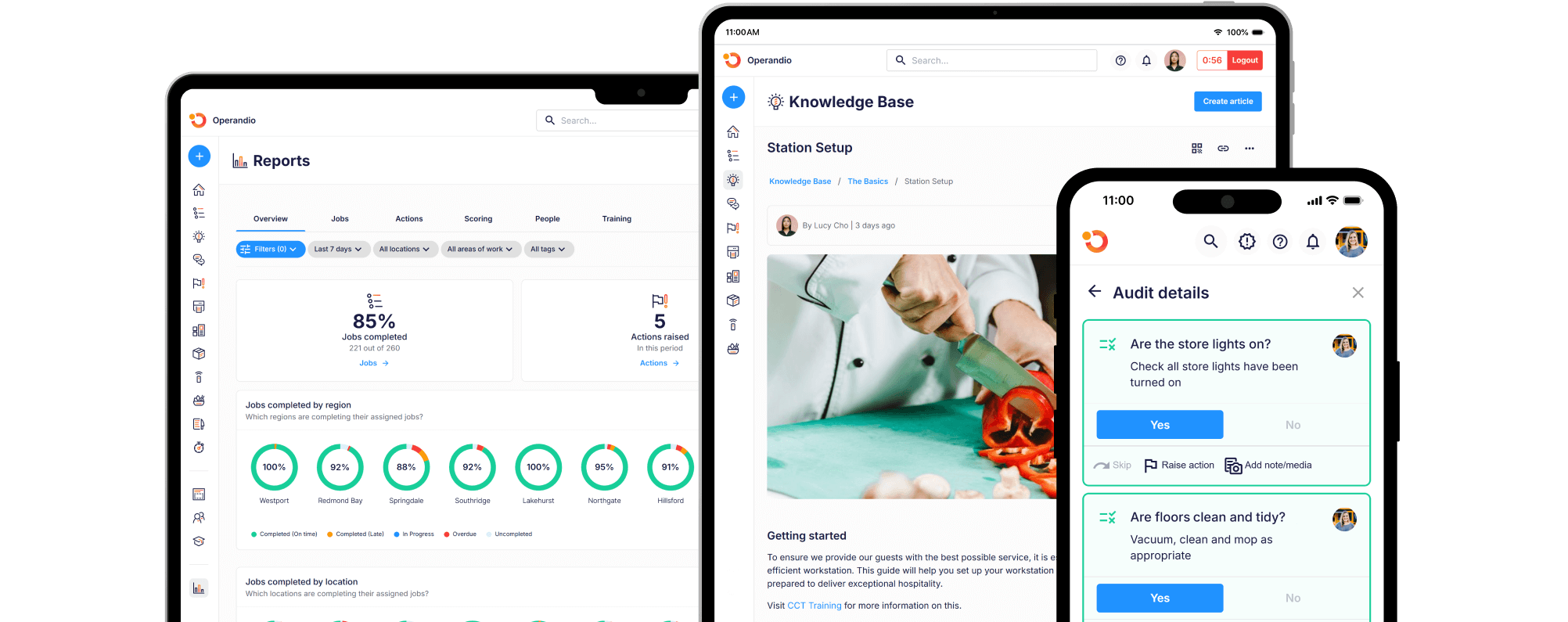
You can replace manual paper checks with structured digital workflows for line checks, sanitation routines, cooling logs,and prep checks. These digital processes provide step-by-step guidance to ensure frontline teams follow compliant procedures at every location.

- Platform
- Features
 Franchise & Multi-Unit ManagementCentralize oversight and streamline growth across your entire multi location network
 Learning ManagementTrain, verify, and reward your workforce with mobile-first education
 Operations ExecutionStreamlined operations ensuring brand standards, accountability and efficiency
 Asset ManagementOptimize equipment uptime through proactive maintenance and smart tracking
 Digital Food SafetyAutomate compliance and monitor quality with real-time digital precision
 Health & Safety Management (EHS)Mitigate workplace risks and streamline digital incident reporting and investigations
- Platform Essentials
 Powerful ReportingAlign leadership with role-based dashboards and deeper analytics
 Operandio IntelligenceAutomate content, analyze trends, and provide instant answers
 IntegrationsUnify your enterprise tech stack with real-time data
 IoT PlatformDetect anomalies and automate workflows with intelligent sensors
 Mobile & Shared Tablet AppsSecurely empower frontline teams with fast, offline-capable access
- Footer


 Not sure what you need?
Book in a call with the team
- Features
- Solutions
- By Industry
 RestaurantsQSR, fast food and multi-unit restaurants
 Hotels & ResortsHotels, resorts and extended stay hotels
 ChildcareEarly education, childcare, daycare and preschool
 EntertainmentTheme parks, family entertainment centers and play centers
 Fitness Centers & LeisureFitness centers, golf clubs, gyms and sports facilities
 RetailBig-box retailers, franchise stores and supermarkets
- By Use Case
- Operational ExcellenceStreamlined operations ensuring brand standards, accountability and efficiency
- Learning & DevelopmentTrain, verify, and reward your workforce with mobile-first education
- Franchise & Multi-Unit ManagementCentralize oversight and streamline growth across your entire multi location network
- Food Safety ComplianceAutomate compliance and monitor quality with real-time digital precision
- Asset Management & MaintenanceOptimize equipment uptime through proactive maintenance and smart tracking
- Health & Safety Management (EHS)Mitigate workplace risks and streamline digital incident reporting and investigations
- By Industry
- Resources
- Platform
- Features
- Franchise & Multi-Unit ManagementCentralize oversight and streamline growth across your entire multi location network
- Learning ManagementTrain, verify, and reward your workforce with mobile-first education
- Operations ExecutionStreamlined operations ensuring brand standards, accountability and efficiency
- Asset ManagementOptimize equipment uptime through proactive maintenance and smart tracking
- Digital Food SafetyAutomate compliance and monitor quality with real-time digital precision
- Health & Safety Management (EHS)Mitigate workplace risks and streamline digital incident reporting and investigations
- Platform Essentials
- Powerful ReportingAlign leadership with role-based dashboards and deeper analytics
- Operandio IntelligenceAutomate content, analyze trends, and provide instant answers
- IntegrationsUnify your enterprise tech stack with real-time data
- IoT PlatformDetect anomalies and automate workflows with intelligent sensors
- Mobile & Shared Tablet AppsSecurely empower frontline teams with fast, offline-capable access
- Footer
- Not sure what you need?
Book in a call with the team
- Features
- Solutions
- By Industry
- RestaurantsQSR, fast food and multi-unit restaurants
- Hotels & ResortsHotels, resorts and extended stay hotels
- ChildcareEarly education, childcare, daycare and preschool
- EntertainmentTheme parks, family entertainment centers and play centers
- Fitness Centers & LeisureFitness centers, golf clubs, gyms and sports facilities
- RetailBig-box retailers, franchise stores and supermarkets
- By Use Case
- Operational ExcellenceStreamlined operations ensuring brand standards, accountability and efficiency
- Learning & DevelopmentTrain, verify, and reward your workforce with mobile-first education
- Franchise & Multi-Unit ManagementCentralize oversight and streamline growth across your entire multi location network
- Food Safety ComplianceAutomate compliance and monitor quality with real-time digital precision
- Asset Management & MaintenanceOptimize equipment uptime through proactive maintenance and smart tracking
- Health & Safety Management (EHS)Mitigate workplace risks and streamline digital incident reporting and investigations
- By Industry
- Resources
Food Safety Compliance
Strengthen food safety compliance across every location
Digitize HACCP procedures, automate temperature monitoring, standardize labeling and keep every site compliant with one unified food safety solution built for multi-unit and franchise operators.
 4.9 stars across hundreds of reviews









Food safety management simplified
Operandio digitizes your entire food safety workflow, from HACCP checks and temperature monitoring to labeling and corrective actions.

Go paperless, go effortless, go faultless
Save countless hours weekly—no more deciphering illegible temperature notes. Our system instantly uploads data to your Operandio dashboard in real-time.

Instant access to compliance data
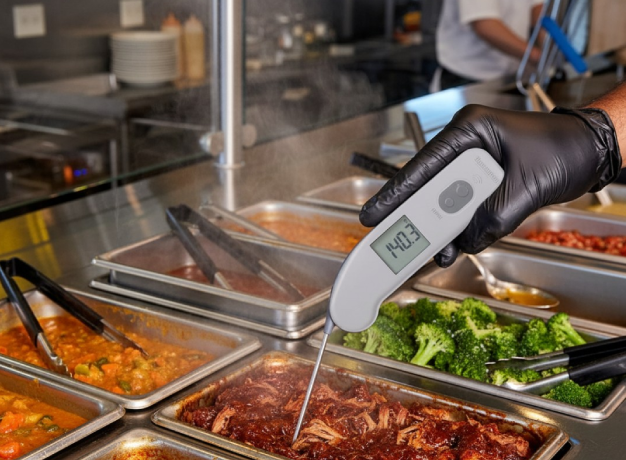
Ensure food safety effortlessly! Our sensors upload fridge/freezer temperatures to your Operandio dashboard 24/7, providing continuous monitoring and easy access to records.
Effective stock protection
The Operandio system tracks temperature readings around the clock. Instantly identify possible risks that can be caused by fridge/freezer temperature abnormalities.
Feature
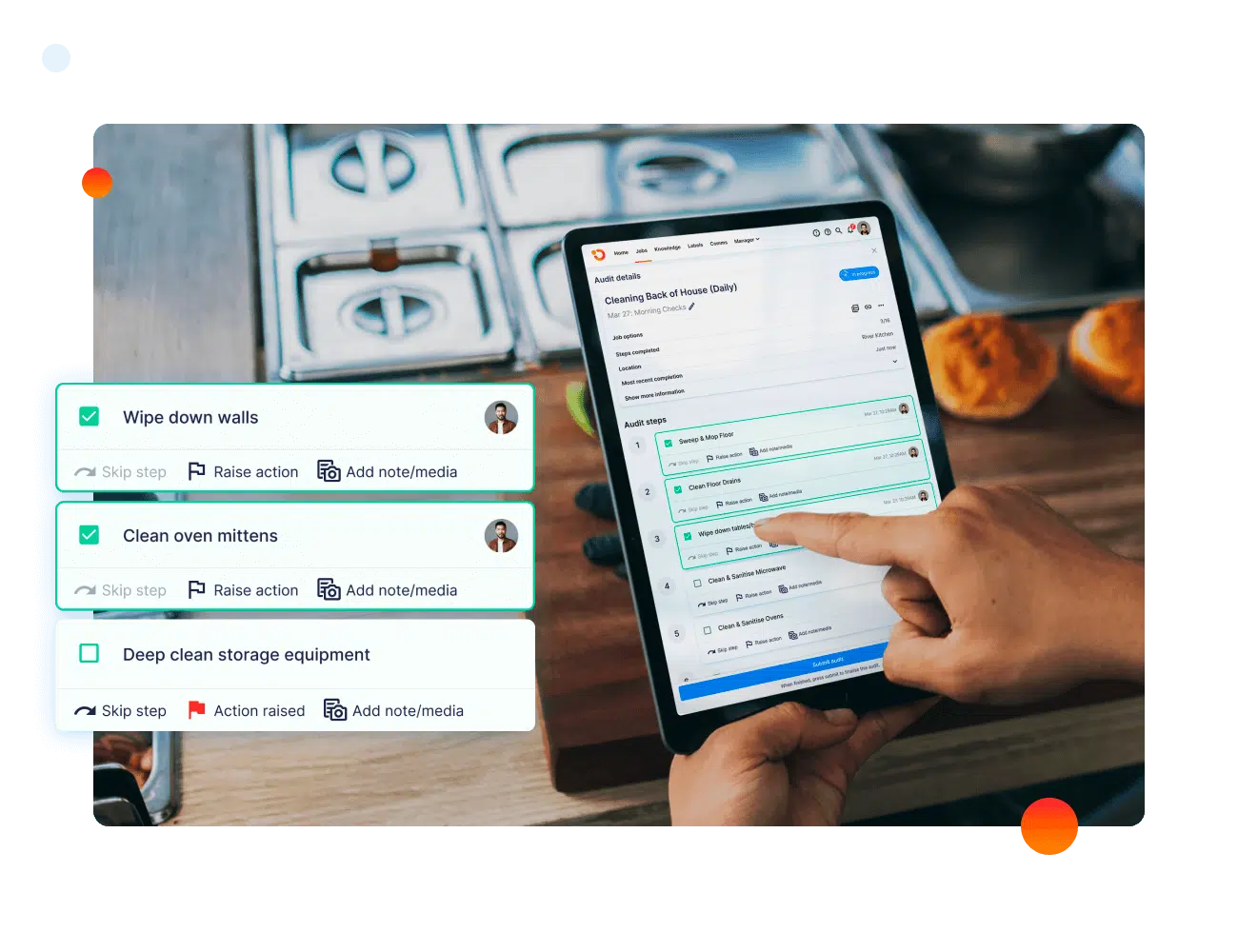
Digitize HACCP and food safety processes
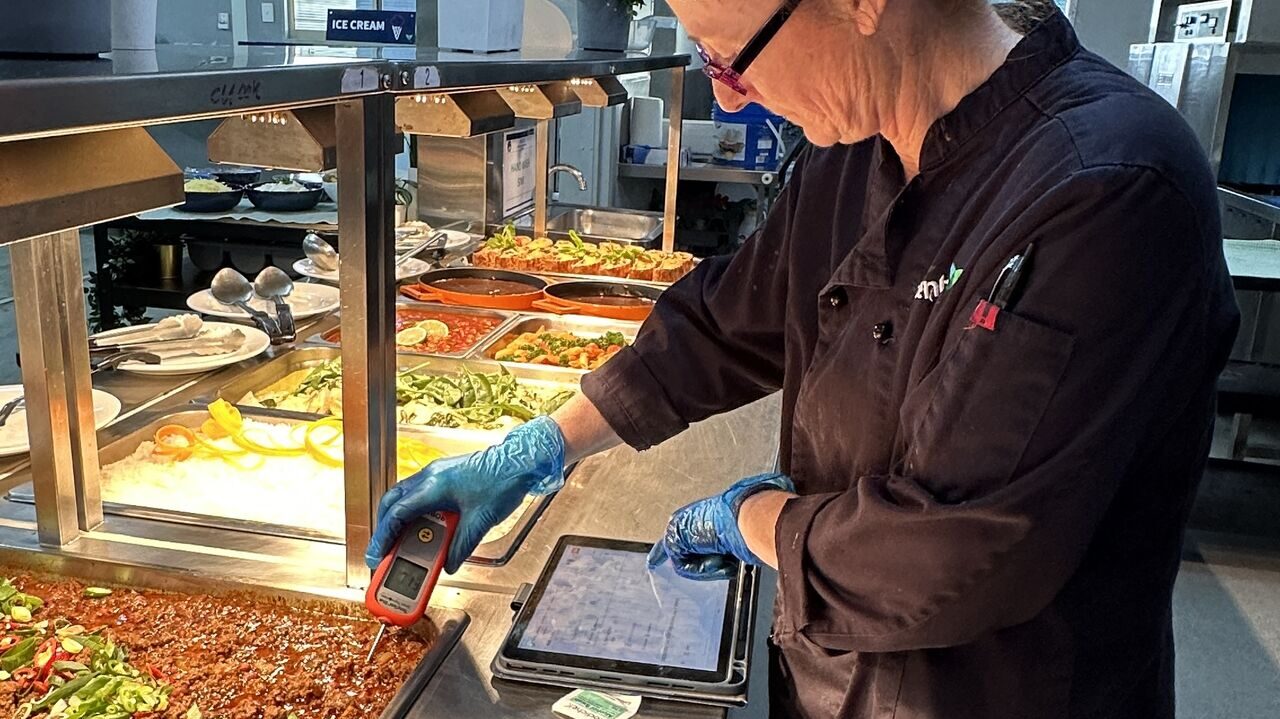
Replace paper logs and manual checks with structured digital workflows for prep checks, line checks, sanitation routines, cooling logs, storage checks and more. Ensure every team follows compliant procedures with step-by-step guidance designed for frontline operators.
Feature
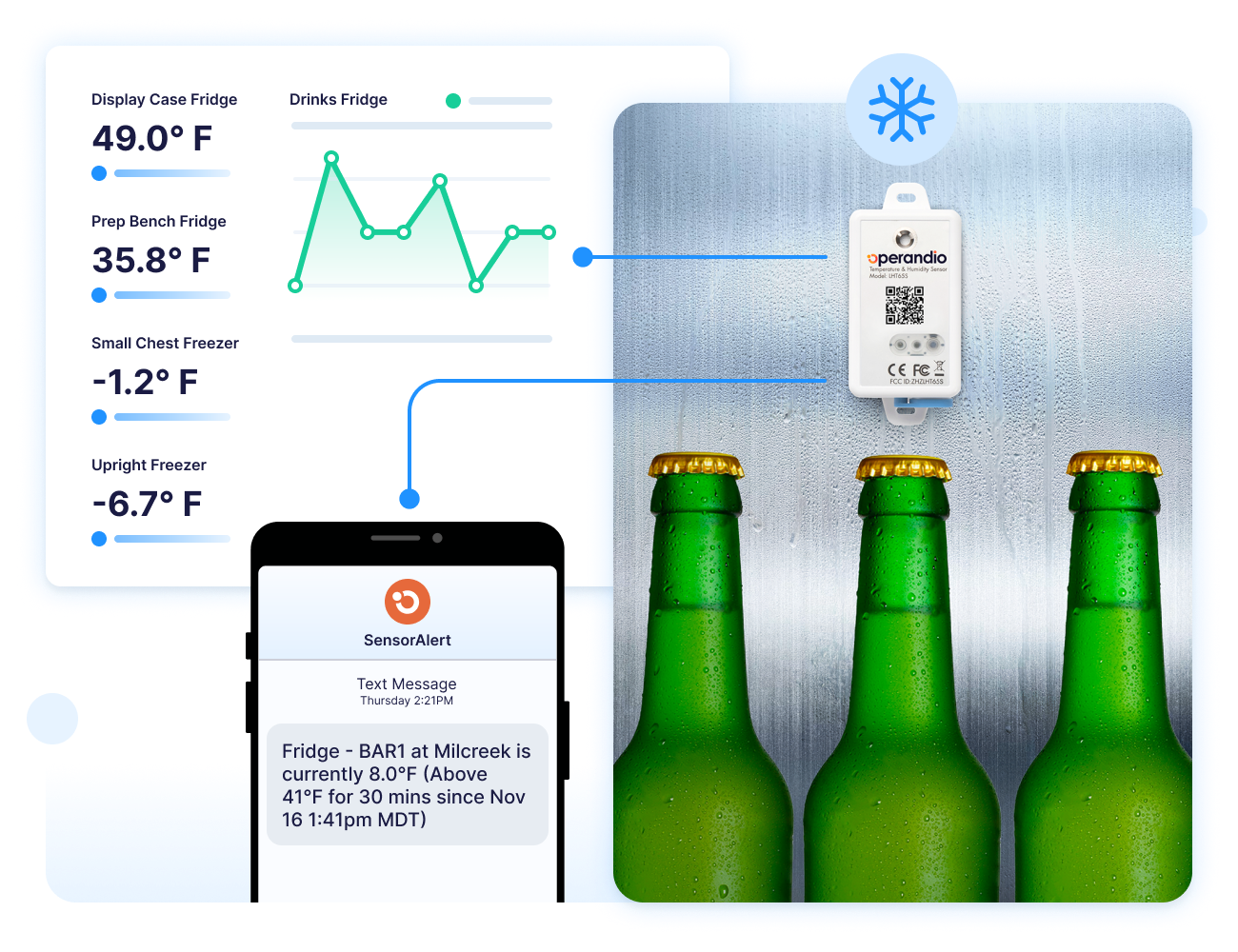
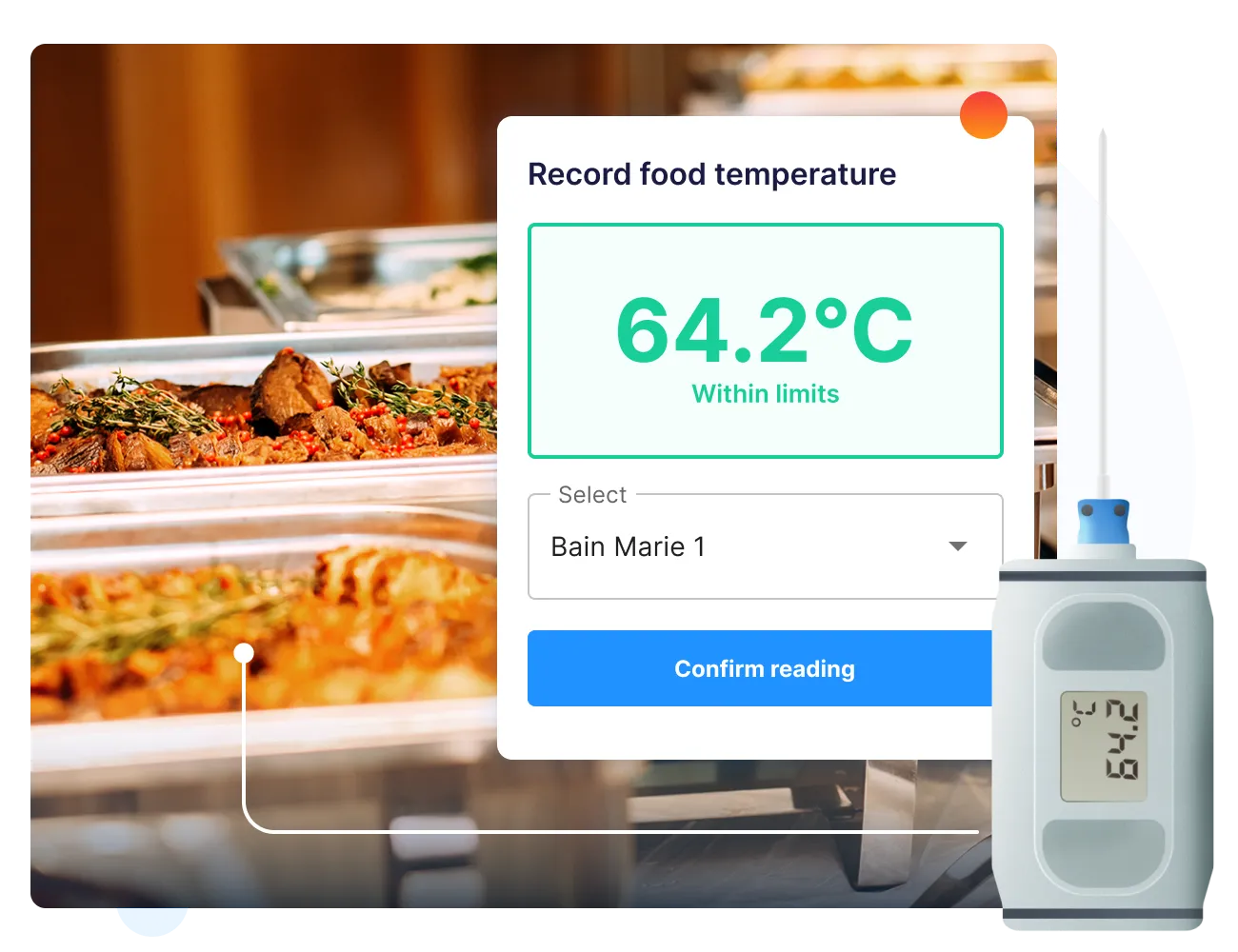
Automated temperature monitoring with AI insights
Protect food quality and reduce spoilage with hardware-agnostic sensors that continuously monitor equipment across your network. Receive instant alerts, automatically trigger corrective actions and use AI insights to reduce energy usage and extend equipment life.
Feature
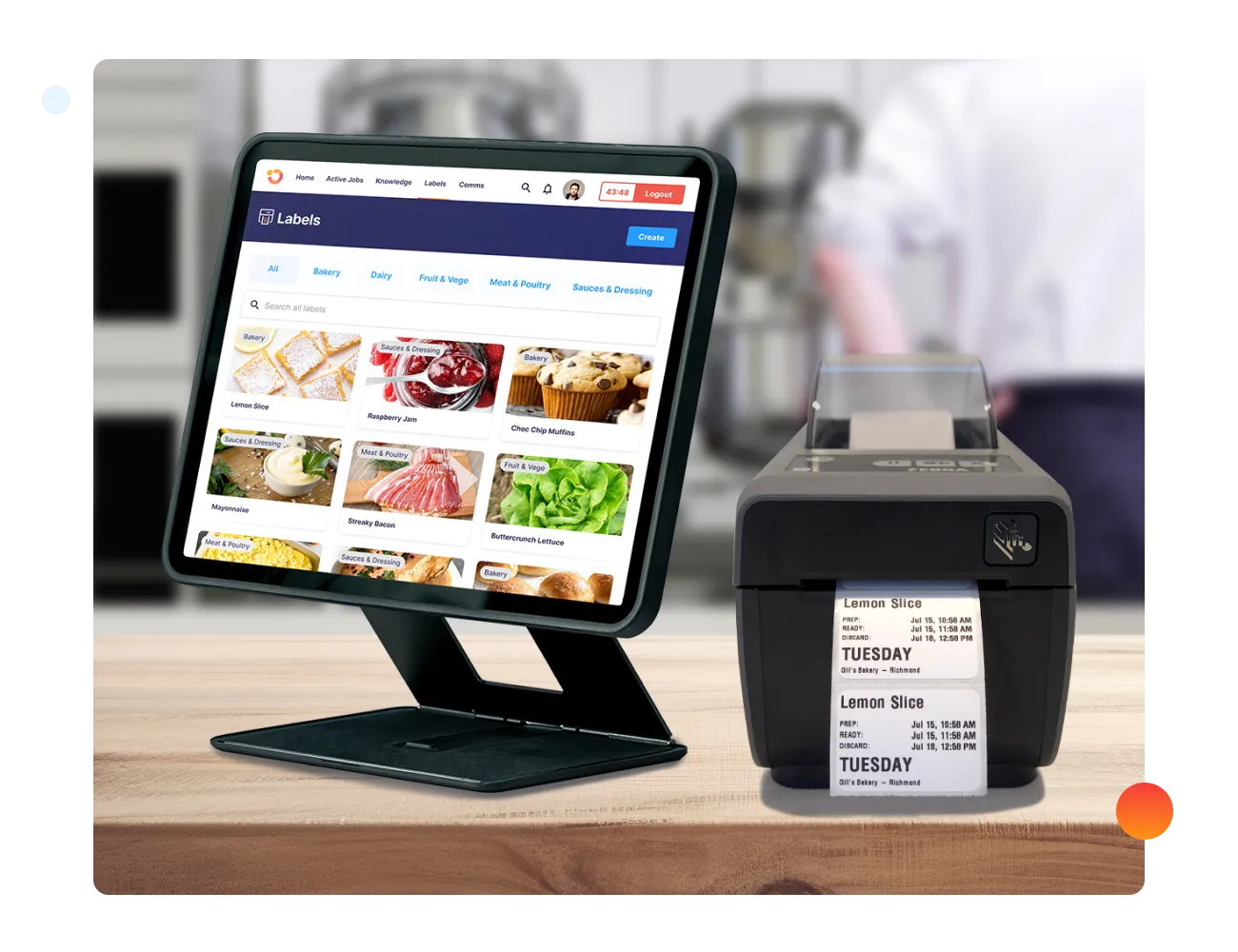
Accurate labeling and consistent food rotation
Standardize prep and expiry labels across your entire network using the printers you already own. Improve rotation accuracy, reduce waste and maintain compliance with automated templates controlled centrally at HQ.
Feature
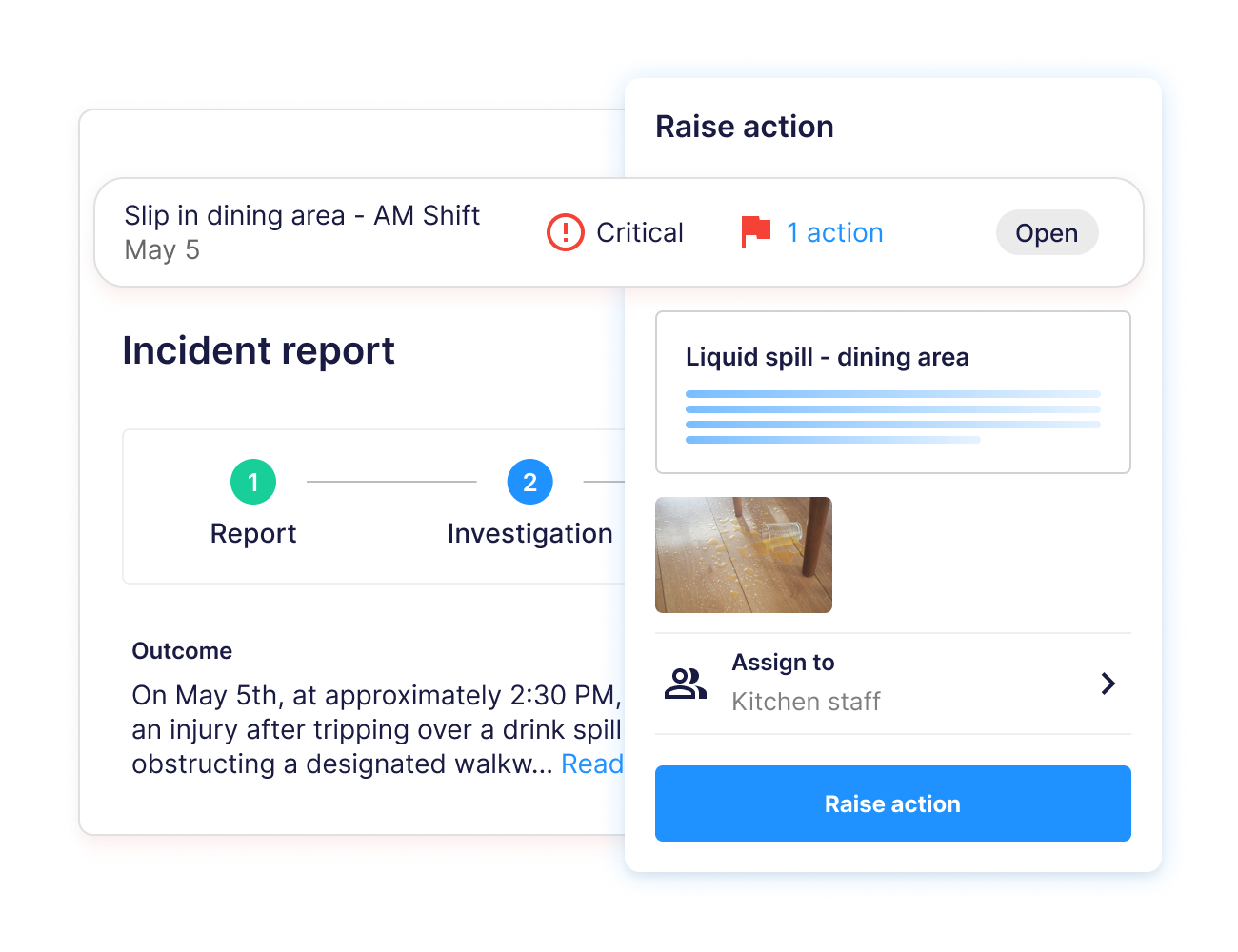
Corrective actions that close the loop on food safety issues
Automatically escalate issues triggered by failed checks, out-of-range temperature readings or non-compliant labeling. Assign tasks, track completion and ensure every problem is resolved with full accountability across every location.
Feature
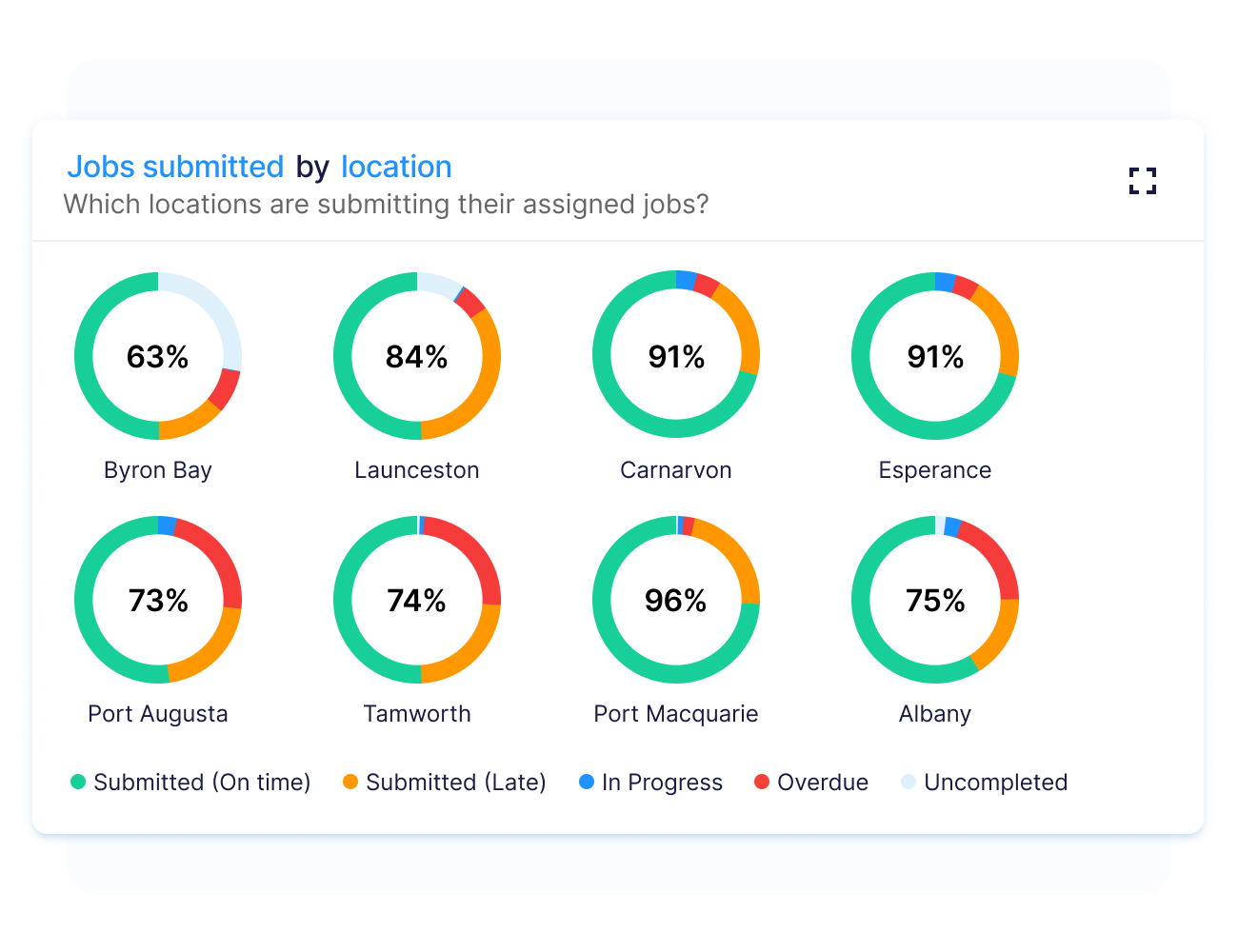
Audit-ready compliance records and traceability
Automatically log every food safety action, including checks, readings, labels and corrective actions. Prepare for inspections quickly with exportable reports and complete traceability across brands, regions or franchise groups.
Feature
HACCP-aligned processes and regulatory compliance built in
Ensure every location meets U.S., Australian, UK and international food safety standards with workflows aligned to HACCP principles, FSMA requirements, FDA temperature controls and local health regulations. Maintain audit-ready logs, critical control point verification, corrective actions and full traceability – all digitally recorded and centrally managed.
Feature
Designed for every type of food business
Support consistent food safety across restaurants, QSR, cafes, hotels, convenience retail, aged care, healthcare, education, production facilities and distribution. Maintain standards regardless of industry, region or scale.
Discover the full suite of Digital Food Safety features
Every check, reading and action is recorded, traceable and audit-ready, giving your teams the tools to operate safely and consistently – whether you run 5 locations or 5,000.

You’re in good company
Companies just like yours are using Operandio to achieve staff accountability, safety, compliance and consistent business processes across all their locations.
0+
frontline teams use Operandio every day
0’s
of hours saved every week
0+
happy customers around the world
Today’s top restaurant, QSR, healthcare and hospitality brands rely on Operandio to deliver consistent food safety compliance across every location





Frequently asked questions
The platform uses hardware-agnostic sensors to continuously monitor equipment and provide automated temperature alerts. When issues occur, the system automatically triggers corrective actions and uses AI insights to help reduce energy usage and extend the life of your equipment.
Yes, you can use automated templates controlled centrally from HQ to standardize prep and expiry labels across your network using your existing printers. This helps improve rotation accuracy, reduces food waste, and ensures consistent compliance at every site.
The system automatically generates and escalates corrective actions whenever a failed check or non-compliant reading is detected. Managers can assign tasks and track completion to ensure every issue is resolved with full accountability across every location.
Every food safety action, including labels and checks, is automatically logged to create audit-ready compliance records and complete traceability. The platform is built to align with international standards such as HACCP principles, FSMA requirements, and FDA controls, providing exportable reports for quick inspection preparation.
All process guides, training materials, and compliance documents are stored in a unified, centralized library. This ensures every location has quick access to the same approved standards and provides version control for audit-ready documentation.
A complete food safety solution for your growing network
Operandio brings together digital HACCP workflows, automated temperature monitoring, accurate labeling and corrective actions into a single, integrated platform