
- Platform
- Features
 Operations ExecutionStreamlined operations ensuring brand standards, accountability and efficiency
 Learning ManagementTrain, verify, and reward your workforce with mobile-first education
 Franchise & Multi-Unit ManagementCentralize oversight and streamline growth across your entire multi location network
 Digital Food SafetyAutomate compliance and monitor quality with real-time digital precision
 Asset ManagementOptimize equipment uptime through proactive maintenance and smart tracking
 Health & Safety Management (EHS)Mitigate workplace risks and streamline digital incident reporting and investigations
- Platform Essentials
 AI-Powered ToolsAutomate content, analyze trends, and provide instant answers
 IntegrationsUnify your enterprise tech stack with real-time data
 Powerful ReportingAlign leadership with role-based dashboards and deeper analytics
 IoT PlatformDetect anomalies and automate workflows with intelligent sensors
 Mobile & Shared Tablet AppsSecurely empower frontline teams with fast, offline-capable access
- Footer


 Not sure what you need?
Book in a call with the team
- Features
- Solutions
- By Industry
 RestaurantsQSR, fast food and multi-unit restaurants
 Hotels & ResortsHotels, resorts and extended stay hotels
 ChildcareEarly education, childcare, daycare and preschool
 EntertainmentTheme parks, family entertainment centers and play centers
 Fitness Centers & LeisureFitness centers, golf clubs, gyms and sports facilities
 RetailBig-box retailers, franchise stores and supermarkets
- By Use Case
- Operational ExcellenceStreamlined operations ensuring brand standards, accountability and efficiency
- Learning & DevelopmentTrain, verify, and reward your workforce with mobile-first education
- Franchise & Multi-Unit ManagementCentralize oversight and streamline growth across your entire multi location network
- Food Safety ComplianceAutomate compliance and monitor quality with real-time digital precision
- Asset Management & MaintenanceOptimize equipment uptime through proactive maintenance and smart tracking
- Health & Safety Management (EHS)Mitigate workplace risks and streamline digital incident reporting and investigations
- By Industry
- Resources
- Platform
- Features
- Operations ExecutionStreamlined operations ensuring brand standards, accountability and efficiency
- Learning ManagementTrain, verify, and reward your workforce with mobile-first education
- Franchise & Multi-Unit ManagementCentralize oversight and streamline growth across your entire multi location network
- Digital Food SafetyAutomate compliance and monitor quality with real-time digital precision
- Asset ManagementOptimize equipment uptime through proactive maintenance and smart tracking
- Health & Safety Management (EHS)Mitigate workplace risks and streamline digital incident reporting and investigations
- Platform Essentials
- AI-Powered ToolsAutomate content, analyze trends, and provide instant answers
- IntegrationsUnify your enterprise tech stack with real-time data
- Powerful ReportingAlign leadership with role-based dashboards and deeper analytics
- IoT PlatformDetect anomalies and automate workflows with intelligent sensors
- Mobile & Shared Tablet AppsSecurely empower frontline teams with fast, offline-capable access
- Footer
- Not sure what you need?
Book in a call with the team
- Features
- Solutions
- By Industry
- RestaurantsQSR, fast food and multi-unit restaurants
- Hotels & ResortsHotels, resorts and extended stay hotels
- ChildcareEarly education, childcare, daycare and preschool
- EntertainmentTheme parks, family entertainment centers and play centers
- Fitness Centers & LeisureFitness centers, golf clubs, gyms and sports facilities
- RetailBig-box retailers, franchise stores and supermarkets
- By Use Case
- Operational ExcellenceStreamlined operations ensuring brand standards, accountability and efficiency
- Learning & DevelopmentTrain, verify, and reward your workforce with mobile-first education
- Franchise & Multi-Unit ManagementCentralize oversight and streamline growth across your entire multi location network
- Food Safety ComplianceAutomate compliance and monitor quality with real-time digital precision
- Asset Management & MaintenanceOptimize equipment uptime through proactive maintenance and smart tracking
- Health & Safety Management (EHS)Mitigate workplace risks and streamline digital incident reporting and investigations
- By Industry
- Resources
2026 Franchise Brand Management: How to Ensure Consistency
Key Takeaways
- Franchise brand management is the system you use to translate brand standards into daily behavior, then verify adoption across every location.
- Consistent branding can lift revenue, and consistent experiences build brand trust, which drives loyalty and repeat buying.
- Most franchisors struggle with follow-through and with proving that training was completed and that issues were fixed without repeat failures.
- Platforms like Operandio turn standards into workflows teams can run on shift, then give the head office proof and reporting across the network.
Franchise brand management is how franchisors keep the brand consistent across dozens or thousands of locations, even when different owners, managers, and teams run the day-to-day.
In 2026, you need clear standards, mobile-first training, field verification, and fast corrective action loops. That matters because brand inconsistency reflects on your reviews, customer trust, and franchisee performance.
This guide breaks down what franchise brand management is, why it fails, and the practical frameworks and tools that help you lock in consistency at scale.
Why Solid Brand Management Is Non-Negotiable in Franchising
In franchising, the brand is the product. Customers expect the same experience every time, and one location can damage trust in the whole network.
- Brand consistency ties to revenue because it reduces doubt. Adobe found that consistent brand messaging can drive 10–20% higher revenue.
- People don’t buy from brands they don’t trust. Edelman’s 2025 brand trust reporting says 80% of people trust the brands they use.
Customers form a gut reaction quickly, especially online. Google’s research on website first impressions notes that people form an initial “gut feeling” in less than 50 milliseconds, driven heavily by visual design cues.
For franchise brands, this shows up in practical ways:
- signage
- in-store presentation
- local posts
- landing pages
- and how consistent everything feels across locations
As your network grows, consistency gets harder because you now have more locations, more shifts, and more people making small decisions every day. If you only notice problems through reviews or sales, you find out after customers already had a worse experience.
A stronger brand management system gives you earlier signals inside operations, like:
- A location stops completing key routines
- Audit items start failing more often
- Fixes sit overdue
- Training falls behind for certain roles or stores
Those signals let you step in early, support the location, and stop small problems from turning into repeat complaints.
Pro tip: Don’t wait for reviews to tell you a location slipped. Use Operandio to run the basics as trackable routines across every store: assign role-based training, standardise inspections with evidence, turn failures into corrective actions with owners and due dates, and require acknowledgements when standards change. That way, you spot drift early and fix it before customers feel it.
👉If you want your franchise brand management to feel effortless, book a demo with Operandio.
The Building Blocks of Franchise Brand Management
Successful franchise brand management means you set standards, make it easy for franchisees to follow them, keep local marketing on-brand, and track what happens across locations.
If you miss any of these building blocks, you risk losing brand trust.
1) Clear Brand Standards and Guardrails
Start with rules people can actually use. Your standards should tell franchisees what must stay consistent and what they can adapt locally.
This includes:
- The non-negotiables: customer experience, product quality, safety, service steps, store presentation.
- The flexible areas: local partnerships, local offers within rules, community marketing, certain hiring and scheduling practices.
- The decision rules: who approves what, what requires review, what can ship immediately.
- The details that matter: signage, tone of voice, uniforms, how promos show up in-store and online.
If standards feel abstract, people interpret them differently. If standards feel too strict, franchisees work around them. Guardrails solve both problems because they remove guesswork without killing local ownership.
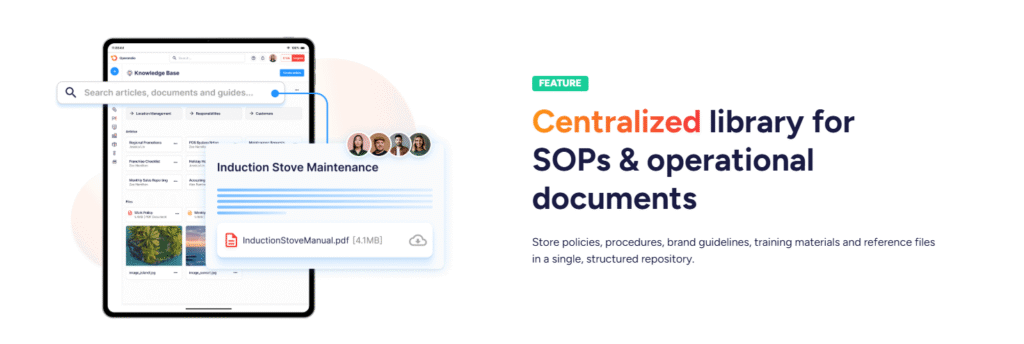
Pro tip: Operandio supports this by centralising SOPs and operational documents in a searchable library with version control and role-based permissions, so every location can access the current standard.
2) Franchisee Education and Enablement
Standards don’t scale if you only publish them. You need franchisees and store teams to understand the brand well enough to apply it in real situations.
That means:
- Onboarding that explains the brand promise and how it shows up in daily decisions.
- Role-based training for franchisees, managers, and frontline staff.
- Simple examples of what good looks like and what off-brand looks like.
- Reinforcement when standards change: what changed, why it changed, what to do differently.
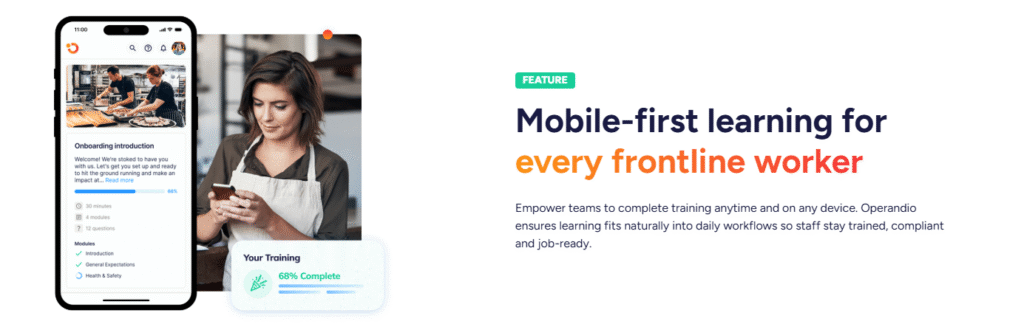
Pro tip: Consider enablement with a mobile-first LMS that includes assessments, learning pathways, badges, and branded certificates, plus imports for existing course packages like SCORM.
3) A Brand-to-Local Marketing System
Most inconsistency shows up in local marketing. One location posts something off-brand. Another runs a promo that clashes with pricing rules. Another uses outdated logos and images. Customers notice, even if they can’t explain what feels wrong.
A good system gives franchisees:
- Approved templates for common needs: social posts, flyers, emails, in-store signage, local ads.
- Approved messaging: what to say, what not to say, how to talk about offers.
- A clear process for local customization so franchisees can market locally without breaking the brand.
- Version control so old assets don’t keep circulating.
This block protects the brand while still letting franchisees drive local growth.
4) Consistent Execution Inside the Location
Brand consistency does not live only in marketing. It lives in how the store runs.
This includes:
- Daily routines that protect the experience: opening and closing standards, cleanliness, speed, service steps.
- Standards that protect quality: prep, storage, labeling, safety checks.
- Operational habits that customers feel immediately: how staff greet people, how issues get handled, how consistent the product looks.
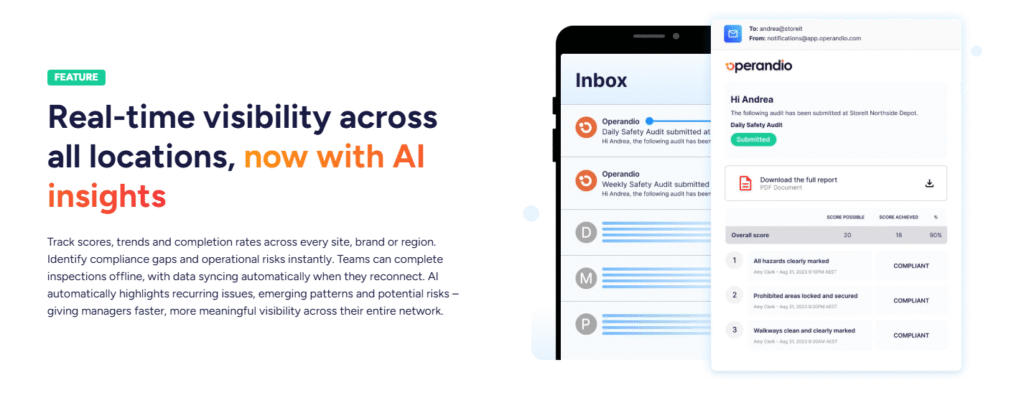
Pro tip: If you want customers to experience the same brand everywhere, you need the same operational basics everywhere. Operandio supports in-location execution by digitising audits and inspections that enforce brand standards and capture evidence like photos and inspection data.
5) Monitoring and Measurement Across Locations
You can’t manage what you can’t see. A franchise brand management system, often powered by modern apps for franchise management needs ways to measure adoption and catch inconsistencies early. Modern franchise technology makes that visibility possible by centralising data across training, audits, tasks, and compliance in one system.
This typically includes:
- Audit and inspection results: what fails most often, where, and how trends change over time.
- Task and checklist completion: whether locations actually run the day-to-day standards.
- Training completion and readiness: whether teams learned what they need to deliver the brand.
- Brand compliance checks for local marketing: whether locations use approved messaging and assets.
The goal is simple: the head office should know what’s happening without waiting for a crisis or a bad review.
6) A Follow-Through Loop That Fixes Problems Fast
This is where many systems fall apart. They can spot issues, but they don’t close the loop.
Follow-through means:
- Assigning an owner and a deadline when something slips.
- Tracking whether the fix happened.
- Verifying the fix with evidence when it matters.
- Coaching the store so the issue doesn’t repeat next week.
This is how you stop small inconsistencies from becoming permanent habits.
7) Communication That Makes Change Stick
Franchise networks change constantly: new promos, seasonal campaigns, updated standards, new equipment, new training, new rules.
Brand management needs a communication process that:
- Reaches the right people by role and location.
- Confirms they saw the update and understood it.
- Connects the update to action: a new checklist, a training assignment, an audit focus area.
Sending information does not equal adoption. Adoption happens when you connect the message to the behavior you want.
👉To see how you can keep your building blocks in check, book a demo with Operandio.
Franchise Brand Management System Map
| Component | What It Controls | Proof You Can Collect | Common Failure |
| Brand Standards and Guardrails | What must stay consistent vs what locations can adapt | Standards sign-off by franchisees, version history, acknowledgement logs | Standards exist, but they’re vague, outdated, or ignored in daily decisions |
| Franchisee Education and Enablement | Whether teams understand the brand and can apply it on shift | Training completion by role/location, quiz results, assessment sign-offs | Training becomes content consumption, not behavior change; no visibility by location |
| Brand-to-Local Marketing Governance | How local marketing stays on-brand across locations and channels | Approved templates used, content review trail, asset version usage | Locations improvise creative, use old logos, run off-brand promos |
| In-Location Execution Standards | The daily behaviors customers experience in-store | Checklist completion, timestamps, photo evidence, missed-task logs | Standards collapse under rush conditions; locations develop their own habits |
| Monitoring and Measurement | Whether locations follow standards consistently | Audit results, pass/fail rates by standard, trend reporting, exception lists | You only learn about issues from complaints or reviews |
| Corrective Actions and Follow-Through | Whether issues get fixed fast, with ownership and verification | Owner, due date, closure evidence, re-check results, repeat-finding rate | Same issues repeat because nobody owns the fix or verifies closure |
| Communication and Change Adoption | Whether updates reach the right people and stick | Read/ack logs, policy confirmations, follow-up task completion | Updates get sent, but nobody knows who saw them or changed behavior |
| Reporting and Governance Cadence | How head office runs the weekly/monthly brand control loop | Location scorecards, overdue actions, training gaps, recurring failures | Leadership manages by anecdotes; high-risk stores don’t surface early |
Where Franchise Brand Management Breaks Down
Franchise brand management breaks down when the brand depends on memory instead of a system. People get busy. Managers change. New staff join. Local pressure pushes teams to improvise. If your standards don’t show up in daily work, every location starts to drift in its own direction.
1) The Standards Are Not Clear Enough to Use on a Busy Shift
Many franchisors have standards, but they don’t answer the practical questions teams face every day. That’s where inconsistency starts.
What this looks like:
- Locations interpret the same standard differently.
- Managers create local workarounds that become habits.
- Small changes add up: different service steps, different signage, different product presentation.
To prevent this, standards need to feel like instructions, not guidelines. They should also make it obvious what franchisees can change locally and what they cannot.
2) Training Without Follow-through
Most brands can deliver onboarding once. The hard part is adhering to standards after the first month.
What this looks like:
- New hires learn the basics, then copy whatever the shift lead does.
- Managers skip refreshers because the store is busy.
- Teams complete training but still struggle with real execution under pressure.
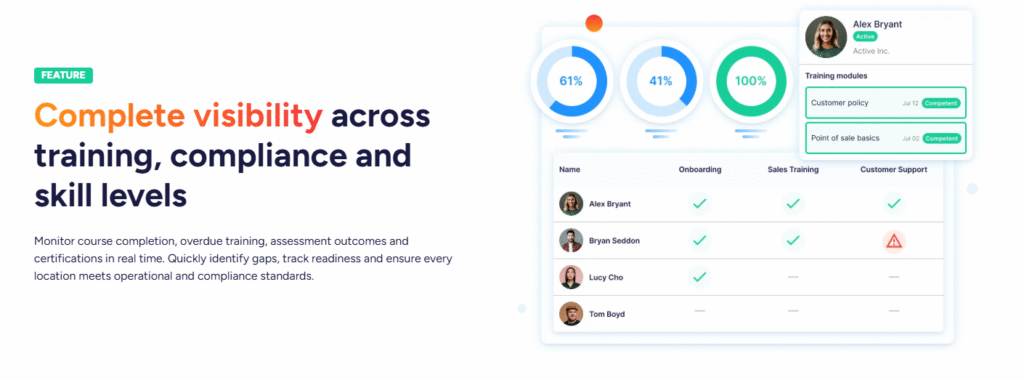
Pro tip: Training sticks when you reinforce it in small ways over time, and when you connect it to what people actually do on shift. Operandio supports that by letting you assign training by role, track completion by location, and use assessments to confirm people understood what matters.
3) Local Marketing Goes Off-Brand First
In many franchise systems, the first problem will show up in marketing before it shows up in operations. Local teams post quickly, reuse old assets, improvise messaging, and run promotions that don’t match the brand promise.
What this looks like:
- Outdated logos and visuals stay in circulation.
- Locations create their own tone of voice.
- Messaging varies across stores and platforms, which confuses customers.
This doesn’t mean franchisees should stop local marketing. It means they need clear guardrails and easy access to what is approved, so staying on-brand is the easiest option.
4) Head Office Can’t See What’s Happening Until It’s Too Late
If you only learn about problems through complaints or reviews, you find out after the damage is already done.
What this looks like:
- A location slips for weeks before anyone notices.
- Problems repeat because nobody tracks patterns across stores.
- Leadership manages by anecdotes instead of data.
You need leading indicators that show drift early: missed routines, failing audit items, overdue fixes, and training gaps.
5) Fixes Don’t Get Closed, So the Same Problems Repeat
A franchise system can spot issues and still stay inconsistent if nothing forces follow-through.
What this looks like:
- An audit flags a problem, but nobody owns the fix.
- The fix gets delayed, then forgotten.
- The same finding shows up again next month.
Consistency improves when every issue turns into a tracked action with an owner and a deadline, and someone verifies closure.
6) Communication Doesn’t Create Adoption
Most franchisors communicate often. The problem is that sending updates doesn’t mean locations saw them, understood them, and changed behavior.
What this looks like:
- Important updates get buried in group chats or inboxes.
- Some locations adopt changes quickly, others never do.
- Head office has no reliable way to confirm adoption.
A stronger approach treats communication like rollout: send the update, require acknowledgement, then attach the next step, like training, a checklist change, or an inspection focus.
7) Control and Flexibility Get Out of Balance
Brand management breaks down when the system swings too far in either direction.
What this looks like:
- Too much control: franchisees feel blocked, so they work around the rules.
- Too much freedom: each location slowly becomes its own version of the brand.
The fix is simple: define the non-negotiables clearly, allow flexibility where it doesn’t change the customer promise, and make adoption visible so you can support stores that need help.
Best Practices for Effective Franchise Brand Management and Ensuring Consistency
The goal is simple – make it easy for every location to follow the standard, then make it easy for the head office to see what’s happening and fix issues fast.
1) Define What Must Stay Consistent and What Can Be Local
Write this down in plain terms and make it easy to reference.
- Non-negotiables: anything that changes the customer experience, product quality, service steps, safety, or core brand promise.
- Local flexibility: things that can change without breaking the experience, like some local marketing, community partnerships, and limited promo variations.
Add a simple rule for approvals: what needs review, who approves it, and what can be done without asking.
2) Make Standards Easy to Apply During a Real Shift
Avoid long documents that nobody can apply in the moment. Break standards into simple formats that match how work happens.
- Short SOPs for common tasks.
- Checklists for opening, closing, cleaning, safety, and service routines.
- Clear pass/fail criteria for critical standards.
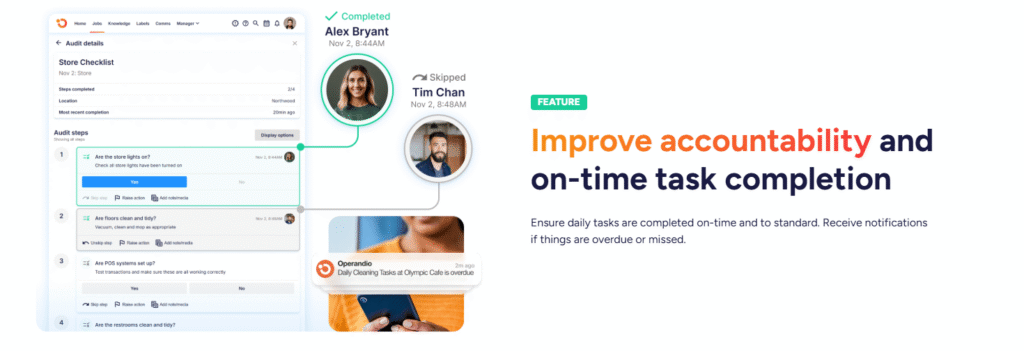
Pro tip: Make task management easy with smart digital checklists, automate recurring tasks, and ensure every team and location follows the right process at the right time.
3) Train by Role, Then Reinforce Over Time
One onboarding session won’t hold. Build training that matches real jobs, then reinforce it.
- Role-based training paths: new hire, shift lead, manager, franchisee.
- Short checks for critical knowledge and safety.
- Practical verification where it matters: a manager confirms the person can do the task correctly.
- Regular refreshers for standards that slip most often.
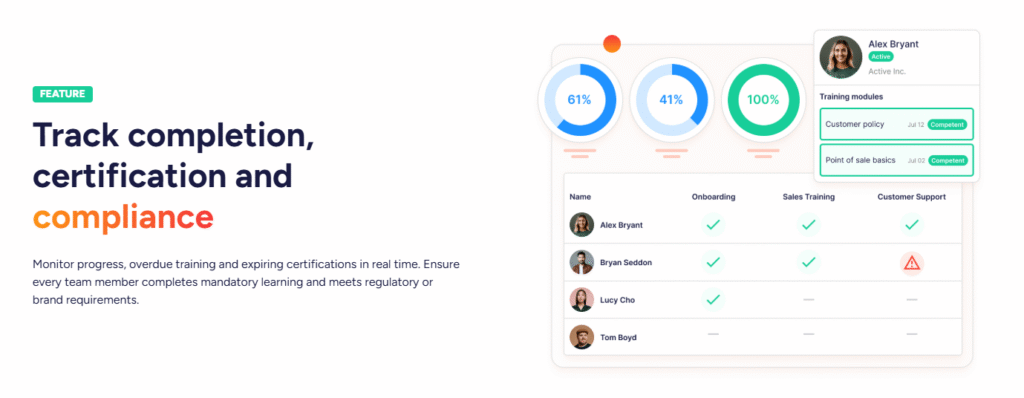
Pro tip: Use a platform that includes mobile training, assessments, and completion tracking by location, so you can see where teams need support.
4) Standardise How You Inspect the Brand in the Field
Don’t rely on opinions. Use the same inspection criteria across every location so results are comparable.
- Use a consistent scoring method.
- Require evidence for important items.
- Track repeat failures by location and by standard.
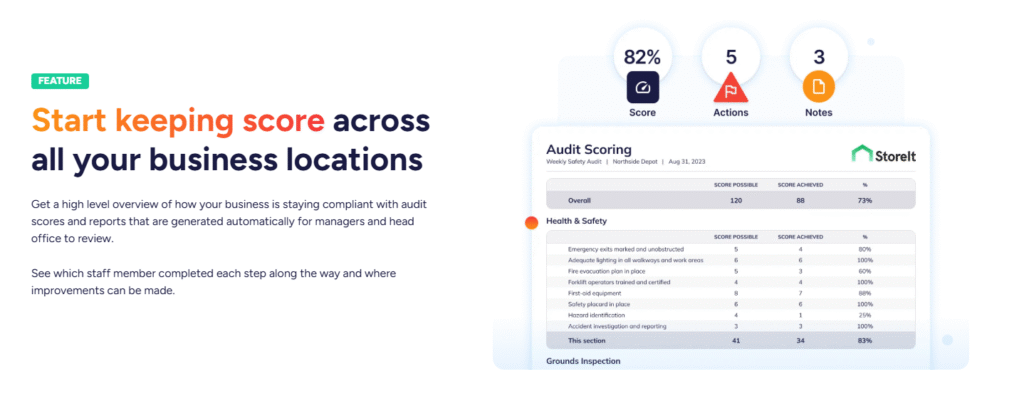
Operandio supports this with digital inspections that capture evidence and roll results up across the network.
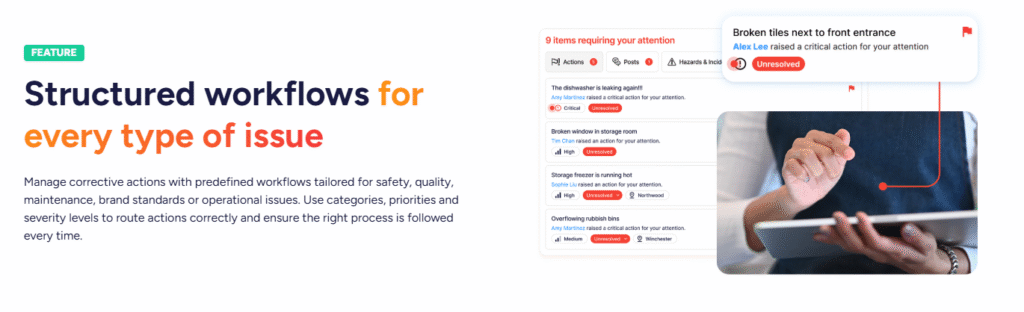
5) Turn Issues Into Fixes With Owners and Deadlines
If you don’t track follow-through, the same problems repeat.
- Assign every issue to a person.
- Set a due date based on severity.
- Require proof when the fix matters.
- Re-check recurring issues.
Operandio can link inspections to corrective actions, with ownership, due dates, and tracking through closure.
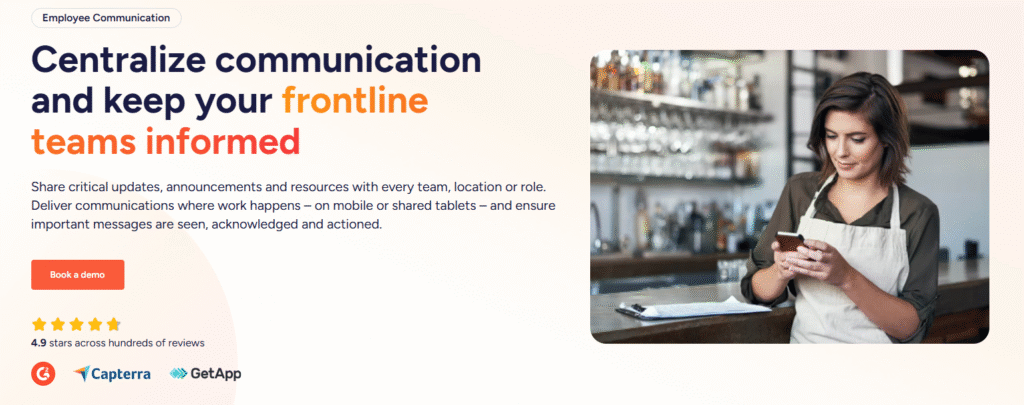
6) Treat Communication Like Rollout, Not Announcement
Updates don’t matter if stores don’t adopt them.
- Send changes to the right roles.
- Require acknowledgement for critical updates.
- Connect the update to the next step: training, a checklist change, or an inspection focus.
Operandio supports this with internal comms that include required acknowledgements and visibility into who has confirmed the message.
7) Use Simple Reporting to Focus Coaching Where It Matters
You don’t need complicated dashboards. You need answers to a few operational questions.
- Which locations fall behind on training?
- Which standards fail most often?
- Which fixes stay open too long?
- Which locations repeat the same issues?
Use that to coach the right stores and support them before problems show up in customer experience.
Franchise Brand Management vs Franchise Marketing
Franchise brand management is governance and execution. Franchise marketing is demand generation and communications.
Here’s the clean distinction:
- Brand management: Defines the promise, sets standards, builds training, verifies execution, fixes gaps.
- Brand marketing: Promotes the promise, drives traffic, supports local campaigns, builds awareness.
Marketing only performs when operations deliver the promised experience. If a campaign drives customers into inconsistent stores, you scale disappointment.
This is also where franchise communication systems matter. You need a way to push updates, confirm receipt, and track adoption, especially when standards change or you roll out new initiatives.
Learn more about why digitalization is key to preserving customer loyalty.
Quick framework:
If the question is “Are we doing it the same way everywhere?” that’s brand management.
If the question is “Are we getting more customers?” that’s marketing.
Franchise Brand Management Checklist for Franchisors
Use this as a quick health check. If you can’t confidently say “yes,” that’s your next system upgrade.
Standards
- Have we written clear non-negotiables and clear local-flex rules?
- Can a store manager check the standard in minutes, during a normal shift?
- Do we control versions so every location uses the latest process and materials?
Learn more here: Franchise Operations Manual: Step-by-Step Process + Template
Training and Readiness
- Do we train by role: new hire, shift lead, manager, franchisee?
- Can we prove completion by person and by location?
- Do we validate job readiness for critical work, not just module completion?
In-Store Execution
- Do all locations follow the same daily and weekly routines for the basics?
- Do those routines exist as checklists or workflows people actually use on shift?
- Do we update routines quickly when standards change?
Verification and Audits
- Do we inspect the same standards everywhere using the same scoring rules?
- Do we capture evidence for important items, so results are clear and comparable?
- Do we track repeat failures by location and by standard?
Fixes and Follow-Through
- Does every issue create a tracked fix with an owner and a due date?
- Do we verify closure for important fixes, instead of trusting “done” messages?
- Do we re-check recurring issues until they stop repeating?
Visibility for Head Office
- Can we see compliance by location and region without waiting for store visits?
- Can we spot early warning signs: training gaps, failing standards, overdue fixes?
- Do we have a simple way to identify the few locations that need support right now?
Communication and Adoption
- Can we push updates to the right roles across every location?
- Can we confirm who read and acknowledged critical changes?
- Can we connect updates to action: training, a checklist update, or an audit focus?
Operational note: If you want this checklist to run as a weekly system, you need one place to manage standards, training, verification, follow-through, and reporting across locations.
Learn more about Franchise Audit & Compliance: Steps, Requirements & Tips.
Managing Franchise Brands at Scale With Operandio
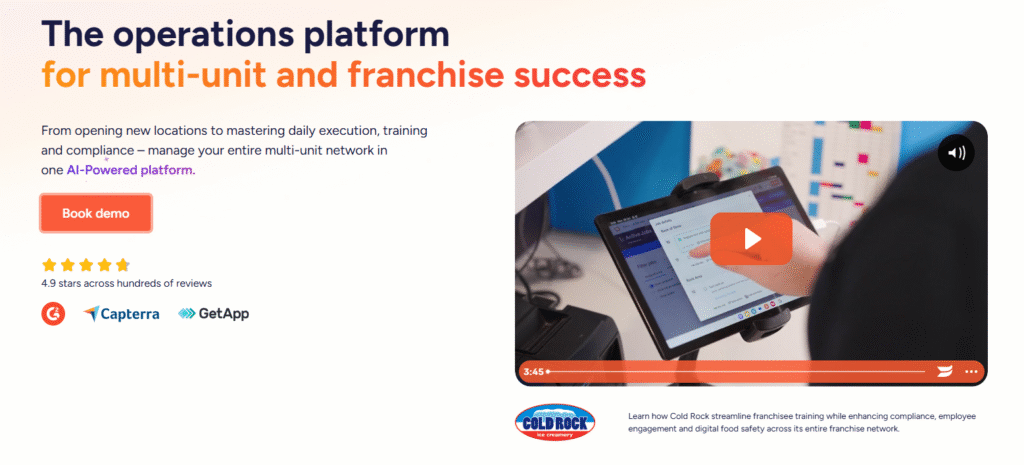
When you run a franchise network, the hard part isn’t writing standards. The hard part is making sure every location follows them on real shifts, with real staff, under real pressure.
As you add more locations, a few things happen fast: more managers interpret standards differently, new hires learn shortcuts, local marketing drifts, and small issues repeat because nobody follows through. If you only catch problems through reviews, complaints, or sales dips, you’re already late.
Operandio helps you stay in control of brand consistency by giving you one place to run the work and prove it happened:
- Standards and SOPs: Store the current version of your processes in one place so teams can find the right answer fast.
- Training and verification: Assign training by role, track completion by location, and use assessments to confirm people understood what matters.
- Audits and inspections: Standardise how you check locations and capture evidence so results stay clear and comparable.
- Fixes and follow-through: Turn issues into corrective actions with owners and due dates so problems don’t repeat for months.
- Communication that sticks: Send updates to the right teams, require acknowledgement, and know who adopted the change.
“For any business looking for an all-in-one platform that handles compliance, safety, reporting, and team communication, Operandio is the way to go.” – Paul Brownrigg, Operations and Compliance Manager, BOUNCE
👉If you want to see how this works in your network, book a demo.
We’ll walk through your current standards and show you how to turn them into day-to-day routines with clear visibility and follow-through across every location.