
- Platform
- Features
 Franchise & Multi-Unit ManagementCentralize oversight and streamline growth across your entire multi location network
 Learning ManagementTrain, verify, and reward your workforce with mobile-first education
 Operations ExecutionStreamlined operations ensuring brand standards, accountability and efficiency
 Asset ManagementOptimize equipment uptime through proactive maintenance and smart tracking
 Digital Food SafetyAutomate compliance and monitor quality with real-time digital precision
 Health & Safety Management (EHS)Mitigate workplace risks and streamline digital incident reporting and investigations
- Platform Essentials
 Powerful ReportingAlign leadership with role-based dashboards and deeper analytics
 Operandio IntelligenceAutomate content, analyze trends, and provide instant answers
 IntegrationsUnify your enterprise tech stack with real-time data
 IoT PlatformDetect anomalies and automate workflows with intelligent sensors
 Mobile & Shared Tablet AppsSecurely empower frontline teams with fast, offline-capable access
- Footer


 Not sure what you need?
Book in a call with the team
- Features
- Solutions
- By Industry
 RestaurantsQSR, fast food and multi-unit restaurants
 Hotels & ResortsHotels, resorts and extended stay hotels
 ChildcareEarly education, childcare, daycare and preschool
 EntertainmentTheme parks, family entertainment centers and play centers
 Fitness Centers & LeisureFitness centers, golf clubs, gyms and sports facilities
 RetailBig-box retailers, franchise stores and supermarkets
- By Use Case
- Operational ExcellenceStreamlined operations ensuring brand standards, accountability and efficiency
- Learning & DevelopmentTrain, verify, and reward your workforce with mobile-first education
- Franchise & Multi-Unit ManagementCentralize oversight and streamline growth across your entire multi location network
- Food Safety ComplianceAutomate compliance and monitor quality with real-time digital precision
- Asset Management & MaintenanceOptimize equipment uptime through proactive maintenance and smart tracking
- Health & Safety Management (EHS)Mitigate workplace risks and streamline digital incident reporting and investigations
- By Industry
- Resources
- Platform
- Features
- Franchise & Multi-Unit ManagementCentralize oversight and streamline growth across your entire multi location network
- Learning ManagementTrain, verify, and reward your workforce with mobile-first education
- Operations ExecutionStreamlined operations ensuring brand standards, accountability and efficiency
- Asset ManagementOptimize equipment uptime through proactive maintenance and smart tracking
- Digital Food SafetyAutomate compliance and monitor quality with real-time digital precision
- Health & Safety Management (EHS)Mitigate workplace risks and streamline digital incident reporting and investigations
- Platform Essentials
- Powerful ReportingAlign leadership with role-based dashboards and deeper analytics
- Operandio IntelligenceAutomate content, analyze trends, and provide instant answers
- IntegrationsUnify your enterprise tech stack with real-time data
- IoT PlatformDetect anomalies and automate workflows with intelligent sensors
- Mobile & Shared Tablet AppsSecurely empower frontline teams with fast, offline-capable access
- Footer
- Not sure what you need?
Book in a call with the team
- Features
- Solutions
- By Industry
- RestaurantsQSR, fast food and multi-unit restaurants
- Hotels & ResortsHotels, resorts and extended stay hotels
- ChildcareEarly education, childcare, daycare and preschool
- EntertainmentTheme parks, family entertainment centers and play centers
- Fitness Centers & LeisureFitness centers, golf clubs, gyms and sports facilities
- RetailBig-box retailers, franchise stores and supermarkets
- By Use Case
- Operational ExcellenceStreamlined operations ensuring brand standards, accountability and efficiency
- Learning & DevelopmentTrain, verify, and reward your workforce with mobile-first education
- Franchise & Multi-Unit ManagementCentralize oversight and streamline growth across your entire multi location network
- Food Safety ComplianceAutomate compliance and monitor quality with real-time digital precision
- Asset Management & MaintenanceOptimize equipment uptime through proactive maintenance and smart tracking
- Health & Safety Management (EHS)Mitigate workplace risks and streamline digital incident reporting and investigations
- By Industry
- Resources
Franchise Employee Onboarding Best Practices in 2026
Key Takeaways
- A strong franchise onboarding process connects training to the actual work: checklists, service routines, food safety tasks, brand standards, and manager sign-offs.
- The biggest onboarding problems usually come from inconsistent manager training, outdated documents, scattered communication, and limited proof that employees can perform the job.
- Operandio helps franchise and multi-location businesses standardize onboarding with a mobile-first LMS, SOP library, checklists, assessments, acknowledgements, reporting, and location launch workflows.
The best approach to franchise employee onboarding is to standardize the full onboarding journey. That is where a structured franchise onboarding process helps. It turns training into a repeatable system that supports employees, managers, franchisees, and head office.
In this article, we’ll break down how you can do that.
The Importance of Smooth Franchise Employee Onboarding
Smooth onboarding gives new employees the clarity they need before poor habits form. Gallup found that only 12% of employees strongly agree their organization does a great job onboarding new employees.
That gap creates a clear opportunity for franchise operators that want to improve retention, confidence, and consistency from day one. Here’s why:
It Reduces Early Turnover
Franchise businesses often rely on frontline, hourly, or shift-based teams. These employees can leave quickly when the job feels disorganized, the training feels rushed, or the first few shifts feel unsupported.
SHRM reports that employees are 69% more likely to stay for three years after great onboarding, while structured onboarding makes new hires 58% more likely to stay after three years.
It Standardizes Service Across Locations
Franchise growth means making the same promise across every site. Onboarding protects that promise by teaching employees how the brand actually works.
That includes:
- How to greet customers
- How to complete opening and closing routines
- How to follow food safety or cleaning procedures
- How to escalate incidents or maintenance issues
- How to use approved tools, checklists, and SOPs
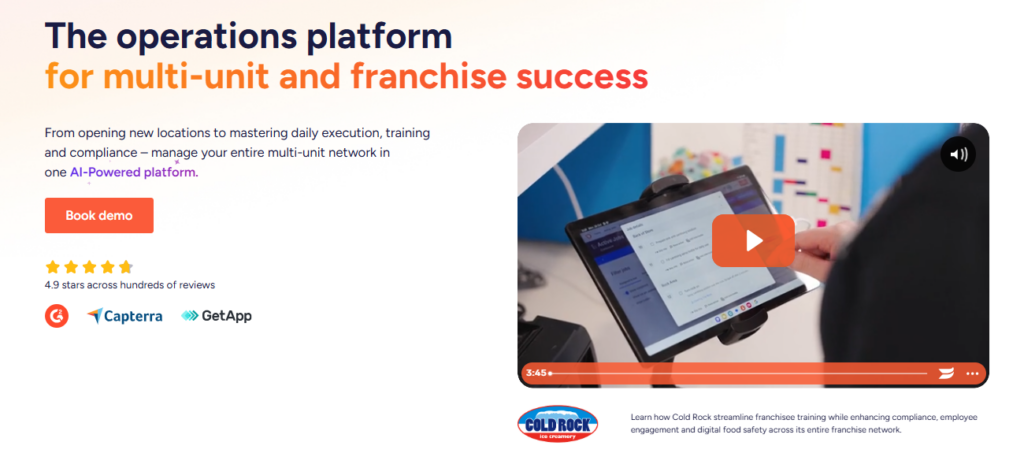
Operandio is built around this need: bringing the franchise operations manual into digital frontline work so employees can access standards where the work happens.
It Gives Head Office Proof
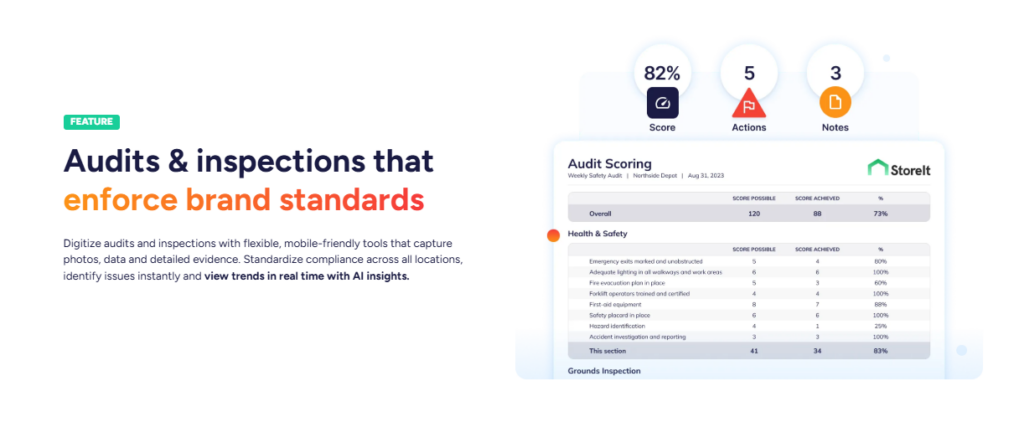
A franchise onboarding process should show who completed training, who passed assessments, who acknowledged updates, and which locations need support.
Operandio supports this by combining training, SOPs, checklists, audits, communication, and reporting across multi-location operations.
Pro tip: Treat onboarding as an operating system, not a one-day induction. A new employee needs training, practice, manager verification, and ongoing reminders built into the first 30 to 90 days.
Key Challenges of Franchise Employee Onboarding
Franchise onboarding becomes harder as the network grows. A single-location manager can coach new hires directly. A 50-location franchise needs a system that keeps training consistent without slowing teams down.
The biggest challenges include:
- Inconsistent manager delivery: One manager teaches the full process, while another rushes through the basics.
- Outdated SOPs: Employees learn from an old PDF, printed binder, or video that no longer matches the current standard.
- Scattered communication: Updates sit in emails, chat threads, spreadsheets, or printed notices.
- No skills verification: Employees complete training but never demonstrate that they can perform the task on shift.
- Low visibility for head office: Regional and corporate teams cannot see which employees, roles, or locations are behind.
- High frontline turnover: Restaurants and hospitality businesses face constant hiring pressure. BLS data shows accommodation and food services had a 3.9% quits rate in February 2026, higher than the overall private-sector quits rate of 2.1%.
These challenges usually mean that quality management is not up to standard.
Best Practices for a Franchise Onboarding Process
The best franchise onboarding process makes training repeatable, trackable, and easy to follow on the frontline.
Build One Standardized Onboarding Path for Every Role
Start by mapping the exact onboarding path for each frontline role. A cashier, server, kitchen hand, housekeeper, childcare assistant, gym receptionist, and shift manager should not receive the same training in the same order.
Each role-based path should include:
- Required pre-start documents
- Brand introduction and culture training
- Role-specific SOPs
- Safety and compliance training
- System training
- First-shift checklists
- Practical assessments
- Manager sign-off steps
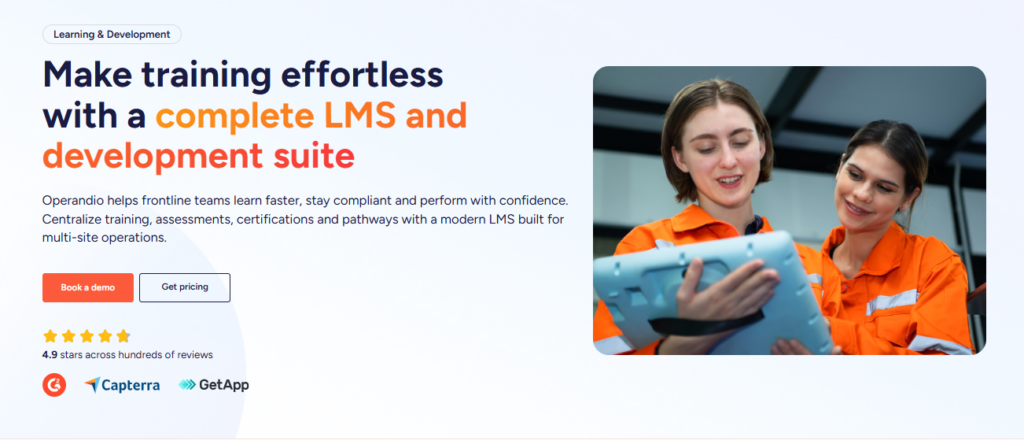
Operandio’s franchise LMS helps multi-location restaurants onboard staff, train on menu launches, and automate front-of-house and back-of-house SOPs. Deploying a structured employee onboarding LMS gives managers the tools to oversee progress and compliance from anywhere.
Keep SOPs, Policies, and Training in One Place
Franchise onboarding fails fast when training lives in one platform, SOPs live in another folder, and updates live in chat.
New employees need one place to find the current version of:
- Operating procedures
- Brand standards
- Food safety rules
- Customer service scripts
- Cleaning routines
- Equipment guides
- Incident reporting steps
- Role-specific training materials
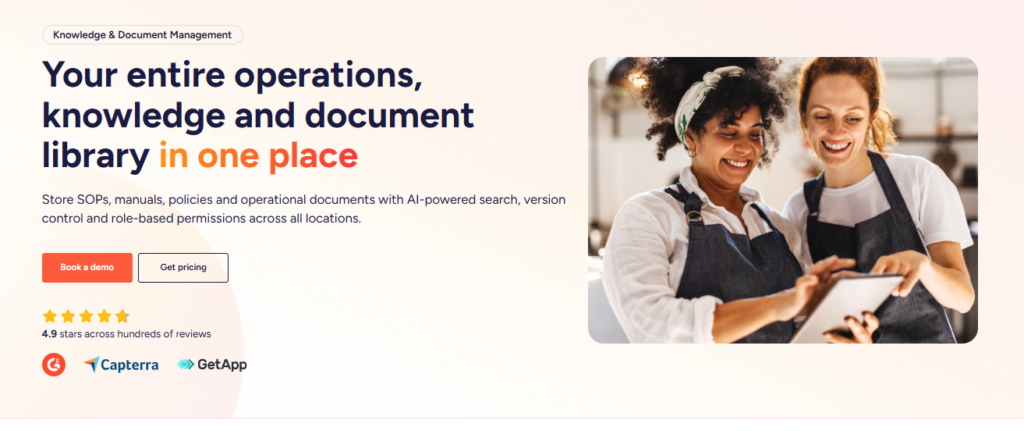
Operandio’s knowledge and document management stores SOPs, manuals, policies, and operational documents with AI-powered search, version control, and role-based permissions across locations.
That makes the onboarding process easier for employees and safer for franchise leaders. Teams stop guessing which document is current. Managers stop sending screenshots and outdated PDFs. Head office updates one standard and rolls it out across the network.
Book a demo with Operandio to see how you can standardize franchise training.
Use Hands-On Assessments, Not Only Digital Courses
Digital courses help employees understand the standard. Hands-on assessments show whether they can perform it.
Employees often need to demonstrate practical skills, such as preparing food safely, completing a closing checklist, cleaning equipment correctly, handling customer complaints, or following merchandising standards.
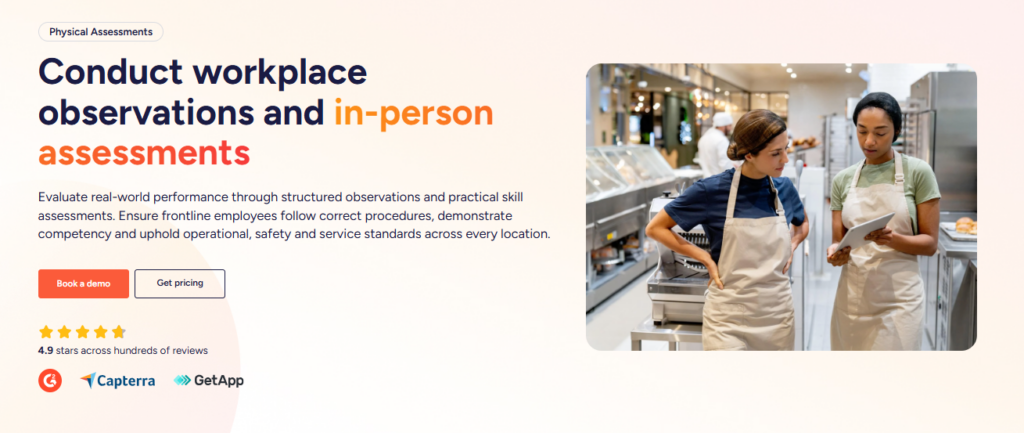
Operandio’s workplace observations and assessments let managers create in-person assessment tasks tied to job roles or courses, observe performance on the floor, and mark tasks complete after hands-on demonstration and manager sign-off.
Connect Onboarding to Daily Checklists and Shift Routines
The first week should not feel separate from the real job. Employees need to see how training connects to the tasks they complete every day.
That means the onboarding process should point employees toward:
- Opening and closing checklists
- Cleaning schedules
- Food safety checks
- Customer service steps
- Maintenance reporting
- Incident escalation
- Daily manager routines
Pro tip: In hospitality and restaurant franchises, onboarding needs to translate into consistent service, safe food handling, and fewer missed steps during busy shifts.
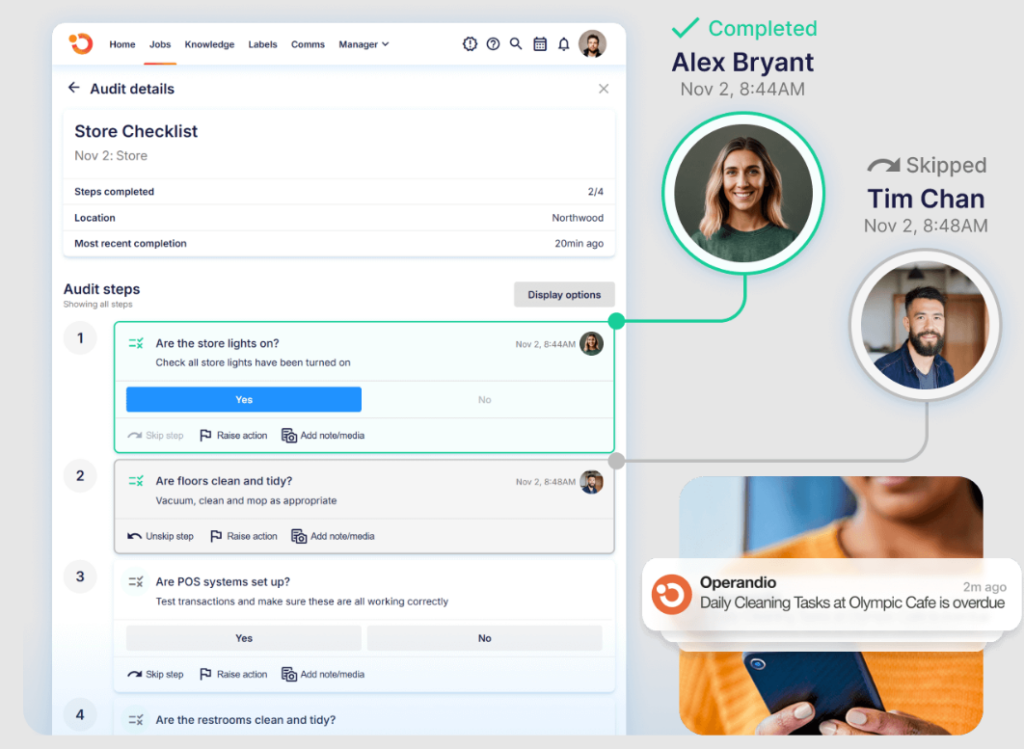
Operandio supports digital checklists, smart task management, audits, inspections, corrective actions, and shared tablet access.
Require Acknowledgement for Critical Updates
Franchise employees need ongoing updates when the business changes.
That could include:
- New menu items
- Updated allergens
- Promotional campaigns
- Safety notices
- Cleaning policy changes
- Brand standard updates
- Compliance reminders
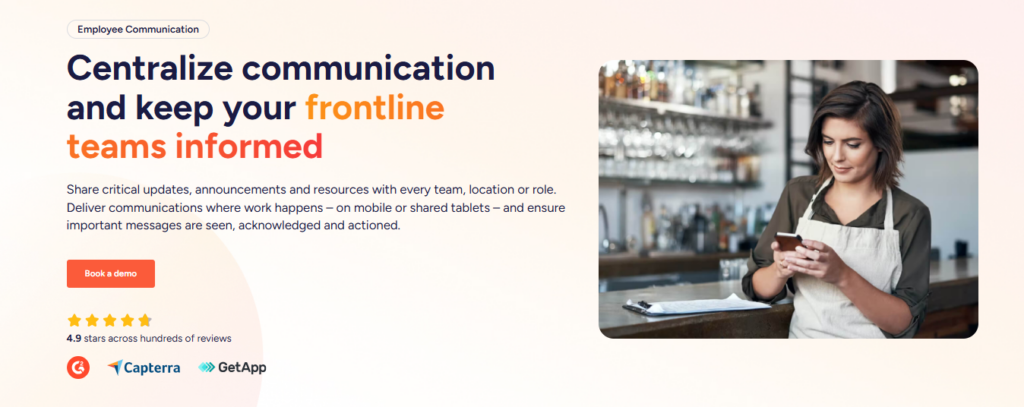
Operandio’s employee communication tools let teams send targeted announcements by location, role, or team, then track acknowledgements so managers know important messages were seen and actioned.
Track Completion by Employee, Location, and Region
A checklist for franchisee employers should include reporting expectations.
| Onboarding Area | What to Track | Why It Matters |
| Training modules | Completion, quiz scores, overdue courses | Shows whether employees learned the basics |
| SOP acknowledgements | Who saw and accepted each update | Creates proof for compliance and brand changes |
| Practical assessments | Manager sign-offs and failed skills checks | Verifies job readiness |
| Daily checklists | Completion by shift, role, and location | Shows whether training turns into action |
| Corrective actions | Owner, due date, resolution proof | Prevents recurring onboarding gaps |
| Location trends | Completion rates and missed tasks | Helps area managers coach earlier |
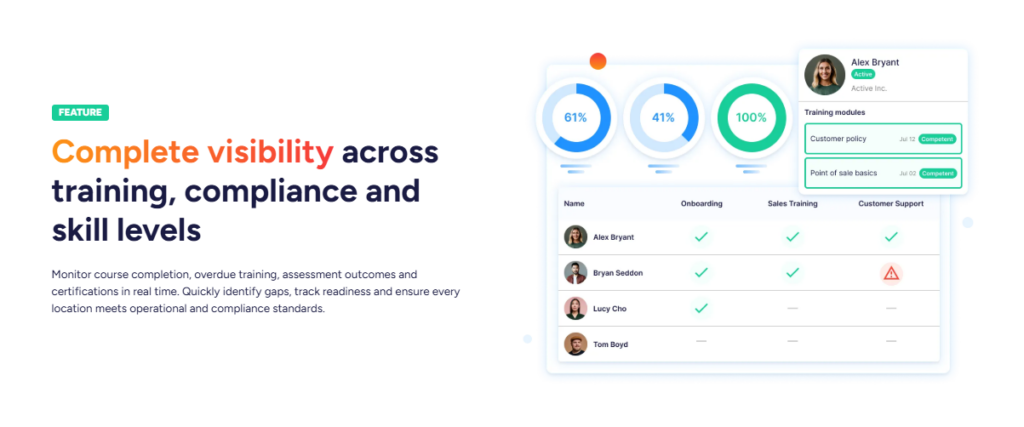
Franchise analytics and reporting tools help leaders monitor execution, training, compliance, and operational performance across locations.
Operandio gives franchise leaders a clearer view of training progress, SOP adoption, checklist completion, and compliance activity across the network.
Book a demo to see how Operandio helps standardize onboarding for frontline teams.
Build Career Progression Into Onboarding
Franchise onboarding should help employees do the job today. It should also show what comes next.
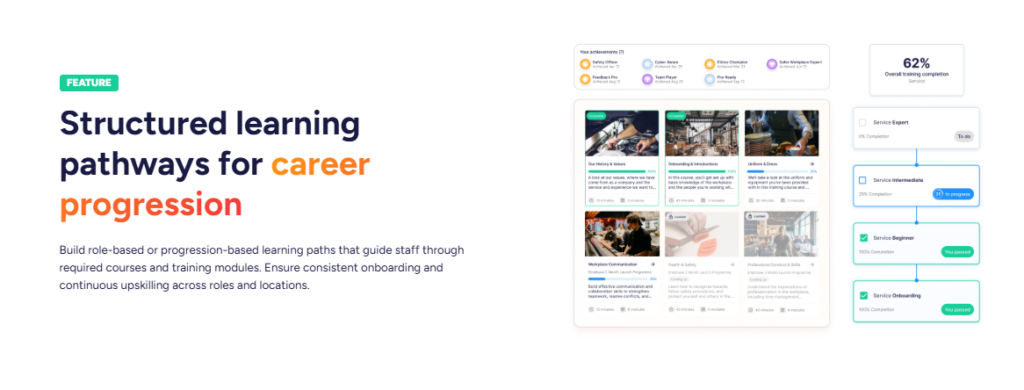
This matters because frontline employees often leave when the role feels temporary, unclear, or unsupported. Career pathways can help employees see how they can grow from entry-level roles into supervisor, shift lead, assistant manager, or general manager roles.
Operandio’s badges, pathways, and certificates help franchise teams create branded credentials, role-based learning paths, and certificates for completed courses or milestones.
What Does a Complete Onboarding Process Look Like?
A complete onboarding process covers the full employee journey from pre-start preparation to first-shift support and ongoing development.
Pre-Boarding Before the First Shift
Pre-boarding should remove confusion before the employee arrives.
Use this stage to send:
- Welcome message
- Start date and shift details
- Uniform or dress code requirements
- Required documents
- Introductory brand training
- Basic policies
- First-week schedule
- Manager contact details
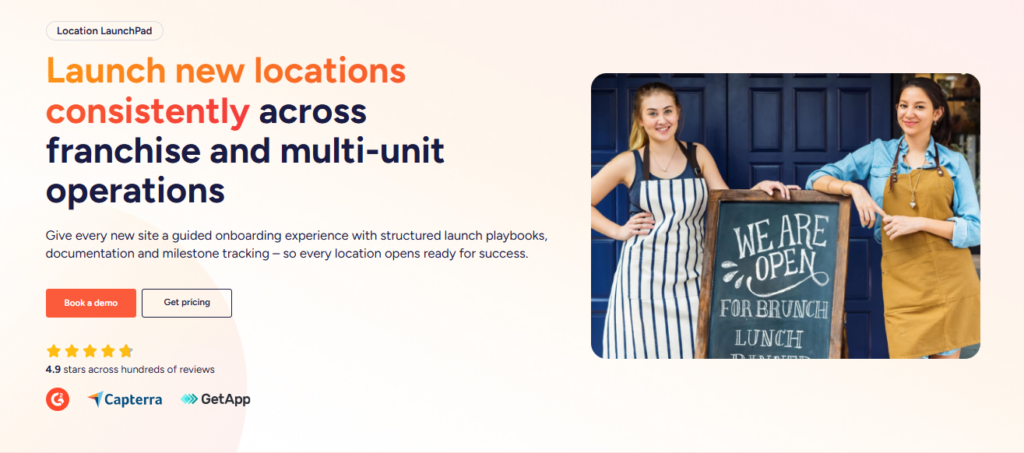
For new locations, Operandio’s Location Launchpad provides structured playbooks, milestone tracking, approved documentation, and visibility for HQ and franchise partners.
Brand, Culture, and Customer Experience Training
Every franchise employee should understand the brand promise before they learn the task list.
This stage should explain:
- What the brand stands for
- What customers expect
- How the location should feel
- How employees should communicate
- What “good” looks like in real customer moments
For restaurant and hospitality franchises, this could include greeting standards, service recovery, food presentation, speed-of-service expectations, and cleanliness standards.
Operations, Compliance, and Role-Specific Training
This is where the employee learns the job.
For a hospitality or restaurant franchise, role-specific onboarding may include:
- POS training
- Food safety training
- Allergen awareness
- Cleaning procedures
- Opening and closing routines
- Prep and storage standards
- Customer service steps
- Incident reporting
- Maintenance requests
- Emergency procedures
Operandio’s learning and development tools support mobile-first training, AI course creation, physical assessments, badges, certificates, pathways, and compliance tracking for frontline teams.
First-Shift Support and Manager Sign-Off
The first shift should not rely on memory. Give managers a clear checklist so every employee gets the same support.
A first-shift checklist could include a manager welcome, site tour, equipment overview, safety briefing, shadowing plan, task demonstration, practical assessment, end-of-shift check-in, and sign-off plan.
This helps managers coach without skipping key steps during a busy shift.
Follow-Up Training and 30-Day Review
Onboarding should continue after the first week. New employees need follow-up when they start handling the job independently.
A strong 30-day review should look at training completion, checklist performance, practical assessment results, manager feedback, employee questions, compliance gaps, and the next learning path.
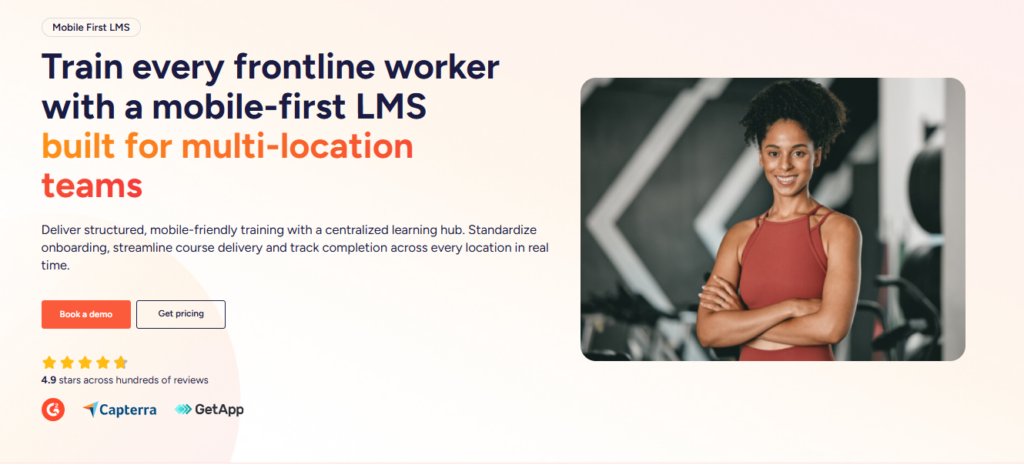
This is where a franchise LMS becomes more valuable than a one-off induction. Operandio’s LMS Learning Hub supports role-specific training and practical assessments, which helps managers confirm that digital learning translates into on-the-job skill.
Franchise Employee Onboarding Checklist for Employers
Use this checklist to build a repeatable onboarding process across locations.
| Stage | Checklist Item | Owner |
| Before start | Send welcome message, shift details, uniform rules, and required documents | Manager or HR |
| Before start | Assign introductory brand and policy training | Training manager |
| Day one | Complete site tour, safety briefing, and system access | Location manager |
| Week one | Assign role-based training path | Manager or LMS admin |
| Week one | Review SOPs, brand standards, and compliance requirements | Manager |
| Week one | Complete first practical assessment | Shift lead or trainer |
| Week two | Connect employee to daily checklists and recurring routines | Manager |
| Day 30 | Review completion, confidence, and skills gaps | Manager or area manager |
| Ongoing | Assign refresher training, updates, and progression pathway | Training manager |
Onboard and Train Your Employees With Ease With Operandio
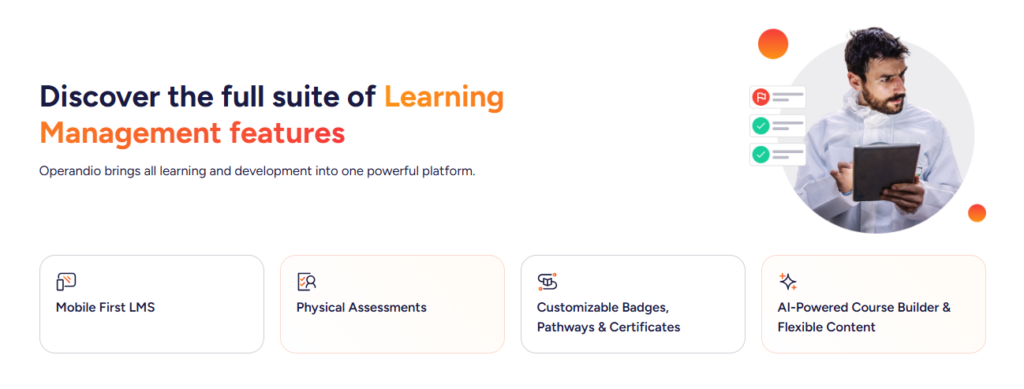
Franchise onboarding works when every employee gets the same standard, every manager follows the same process, and head office can see what happens across every location.
Operandio helps franchise and multi-location businesses manage that process in one platform.
For restaurants, hospitality groups, QSR brands, retail chains, gyms, childcare providers, and other frontline-heavy franchise networks, that means onboarding becomes easier to repeat and easier to prove.
Ready to standardize onboarding across your franchise network?
Book an Operandio demo to see how the platform helps you train employees, manage compliance, and keep every location aligned.
FAQs
Should Franchise Onboarding Differ for Part-Time Versus Full-Time Employees?
Yes. Keep the same brand and compliance baseline, but adjust training depth, pacing, and role-specific modules based on hours and responsibilities.
Should Franchise Onboarding Include Information About Career Advancement?
Yes. Career pathways help employees understand how they can grow into senior roles, which can support retention and internal promotion.
What’s the Single Most Important Element of Successful Franchise Onboarding?
Consistency. Every location needs the same standards, role-based training, SOP access, manager sign-offs, and reporting process.
How Long Should Franchise Employee Onboarding Take?
Usually, onboarding should cover the first 30 to 90 days. The first week builds confidence, while later check-ins reinforce skills.
What Should a Checklist for Franchisee Employers Include?
It should include pre-start tasks, training modules, SOP reviews, compliance requirements, hands-on assessments, manager sign-offs, and follow-up reviews.