
- Platform
- Features
 Franchise & Multi-Unit ManagementCentralize oversight and streamline growth across your entire multi location network
 Learning ManagementTrain, verify, and reward your workforce with mobile-first education
 Operations ExecutionStreamlined operations ensuring brand standards, accountability and efficiency
 Asset ManagementOptimize equipment uptime through proactive maintenance and smart tracking
 Digital Food SafetyAutomate compliance and monitor quality with real-time digital precision
 Health & Safety Management (EHS)Mitigate workplace risks and streamline digital incident reporting and investigations
- Platform Essentials
 Powerful ReportingAlign leadership with role-based dashboards and deeper analytics
 Operandio IntelligenceAutomate content, analyze trends, and provide instant answers
 IntegrationsUnify your enterprise tech stack with real-time data
 IoT PlatformDetect anomalies and automate workflows with intelligent sensors
 Mobile & Shared Tablet AppsSecurely empower frontline teams with fast, offline-capable access
- Footer


 Not sure what you need?
Book in a call with the team
- Features
- Solutions
- By Industry
 RestaurantsQSR, fast food and multi-unit restaurants
 Hotels & ResortsHotels, resorts and extended stay hotels
 ChildcareEarly education, childcare, daycare and preschool
 EntertainmentTheme parks, family entertainment centers and play centers
 Fitness Centers & LeisureFitness centers, golf clubs, gyms and sports facilities
 RetailBig-box retailers, franchise stores and supermarkets
- By Use Case
- Operational ExcellenceStreamlined operations ensuring brand standards, accountability and efficiency
- Learning & DevelopmentTrain, verify, and reward your workforce with mobile-first education
- Franchise & Multi-Unit ManagementCentralize oversight and streamline growth across your entire multi location network
- Food Safety ComplianceAutomate compliance and monitor quality with real-time digital precision
- Asset Management & MaintenanceOptimize equipment uptime through proactive maintenance and smart tracking
- Health & Safety Management (EHS)Mitigate workplace risks and streamline digital incident reporting and investigations
- By Industry
- Resources
- Platform
- Features
- Franchise & Multi-Unit ManagementCentralize oversight and streamline growth across your entire multi location network
- Learning ManagementTrain, verify, and reward your workforce with mobile-first education
- Operations ExecutionStreamlined operations ensuring brand standards, accountability and efficiency
- Asset ManagementOptimize equipment uptime through proactive maintenance and smart tracking
- Digital Food SafetyAutomate compliance and monitor quality with real-time digital precision
- Health & Safety Management (EHS)Mitigate workplace risks and streamline digital incident reporting and investigations
- Platform Essentials
- Powerful ReportingAlign leadership with role-based dashboards and deeper analytics
- Operandio IntelligenceAutomate content, analyze trends, and provide instant answers
- IntegrationsUnify your enterprise tech stack with real-time data
- IoT PlatformDetect anomalies and automate workflows with intelligent sensors
- Mobile & Shared Tablet AppsSecurely empower frontline teams with fast, offline-capable access
- Footer
- Not sure what you need?
Book in a call with the team
- Features
- Solutions
- By Industry
- RestaurantsQSR, fast food and multi-unit restaurants
- Hotels & ResortsHotels, resorts and extended stay hotels
- ChildcareEarly education, childcare, daycare and preschool
- EntertainmentTheme parks, family entertainment centers and play centers
- Fitness Centers & LeisureFitness centers, golf clubs, gyms and sports facilities
- RetailBig-box retailers, franchise stores and supermarkets
- By Use Case
- Operational ExcellenceStreamlined operations ensuring brand standards, accountability and efficiency
- Learning & DevelopmentTrain, verify, and reward your workforce with mobile-first education
- Franchise & Multi-Unit ManagementCentralize oversight and streamline growth across your entire multi location network
- Food Safety ComplianceAutomate compliance and monitor quality with real-time digital precision
- Asset Management & MaintenanceOptimize equipment uptime through proactive maintenance and smart tracking
- Health & Safety Management (EHS)Mitigate workplace risks and streamline digital incident reporting and investigations
- By Industry
- Resources
How to Build an Effective Franchise Recruitment Strategy
Key Takeaways
- Franchise recruitment attracts, qualifies, and selects people who can grow your brand as franchise partners. The goal is to hunt down better-fit operators who understand your model, meet your standards, and can run the business well.
- A strong franchise recruitment funnel starts with an ideal franchisee profile, then moves through awareness, lead generation, qualification, due diligence, and final validation before onboarding begins.
- Franchise recruitment is different from normal sales because the relationship lasts years. You are choosing someone who will represent the brand, manage teams, follow standards, and protect customer experience.
- The best recruitment practices combine clear positioning, structured assessments, legal readiness, operational proof, and a repeatable onboarding path. If recruitment relies only on gut feel, you will eventually recruit the wrong partner.
Franchise recruitment is getting harder because while the market is growing, qualified operators are not unlimited.
The International Franchise Association projects that the number of franchised businesses will reach about 845,000 units in 2026, increasing by about 12,000 new establishments from previous years. That means more brands are competing for candidates with the capital, discipline, leadership ability, and patience to follow a proven system.
You want a strong recruitment process that filters franchise partners who can operate your model, protect brand standards, and grow with the network.
This guide breaks down what franchise recruitment is, how to build a recruitment funnel, how it differs from normal sales, and how to improve the process before the wrong partner reaches approval.
What Is Franchise Recruitment?
Franchise recruitment is the process of identifying, attracting, qualifying, and selecting people to become franchisees for your brand. It usually starts with awareness and lead generation, then moves into qualification, disclosure, due diligence, validation, approval, and onboarding.
The best time to recruit franchisees is when your operating model is already repeatable, your unit economics are clear, and your team can support new partners without breaking the business.
Recruit too early, and you risk selling an operating model that’s not ready to support new partners. Recruit too late, and the process becomes reactive: you start chasing candidates under growth pressure instead of carefully qualifying them against a clear franchisee profile.
With that in mind, strong franchise recruitment helps businesses:
- Build a pipeline of qualified franchise candidates
- Expand into new markets with competent local operators
- Protect brand standards as the network grows
- Reduce poor-fit franchisee risk before signing
- Make franchise expansion more predictable
- Give candidates a clearer view of expectations before they commit
For brands planning growth, a good franchise expansion strategy should define both where the network can grow and who is qualified to operate each location.
How To Build An Effective Franchise Recruitment Funnel
An effective franchise recruitment funnel should move candidates from interest to fit, not just from inquiry to sale.
Here is the practical funnel most franchisors need.
Step 1: Define Your Ideal Franchisee Profile
Start by defining what a strong franchisee actually looks like for your business.
Do not stop at capital requirements. Money matters, but it does not tell you whether a candidate can lead people, follow systems, handle pressure, protect the brand, or operate inside a franchise model.
A useful franchisee profile should include various important attributes like:
- Required capital and funding readiness
- Relevant operating experience
- Leadership style
- Local market knowledge
- Appetite for following systems
- Customer service standards
- Growth ambition
- Risk tolerance
- Values and culture fit
With Operandio’s FranchiseLab, you can evaluate prospects using 16 behavioural and competency attributes proven through research to correlate with franchisee performance and network stability.
You can then create a benchmark profile tailored to your franchise model, which helps you figure out cultural and operational alignment, long-run fit, predicted performance patterns, and development needs.
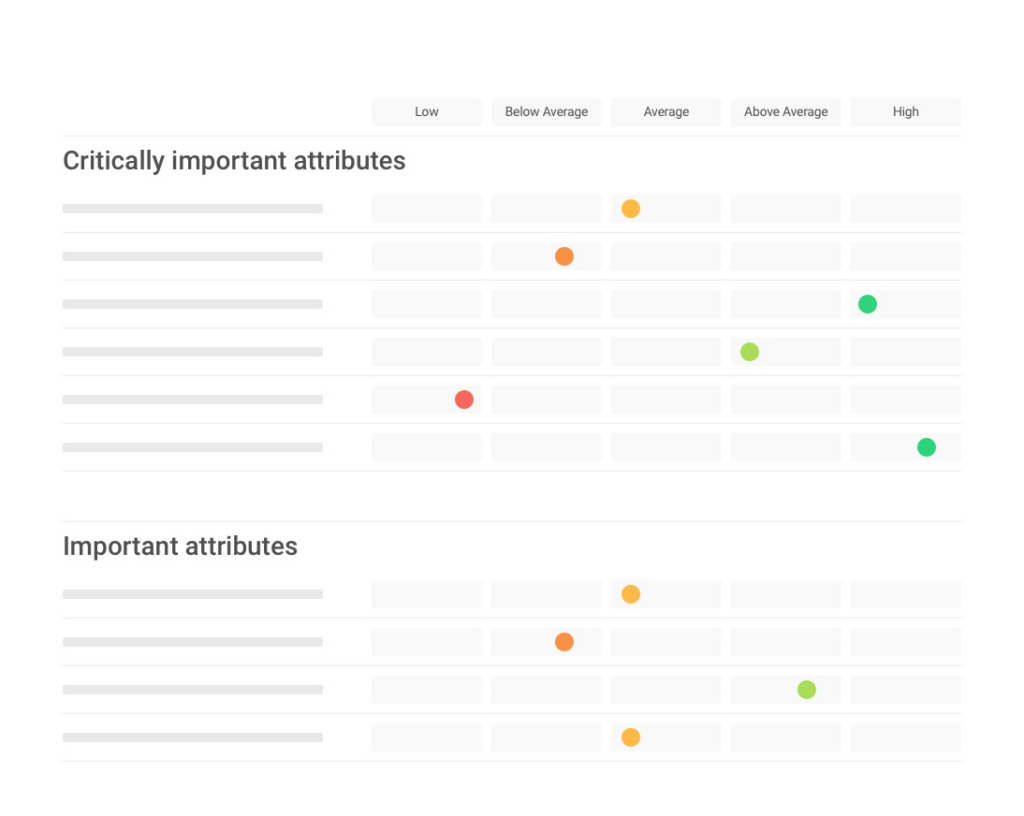
This profile becomes the filter for the entire recruitment process. It helps marketing target the right people, helps sales qualify candidates earlier, and helps leadership avoid approving someone just because they can afford the fee.
Pro tip: Define disqualifiers as clearly as qualifiers. A candidate who wants total independence may be strong in business, but wrong for a franchise system that depends on consistency.
Step 2: Create Awareness With The Right Message
The next step is to make the opportunity visible to the right candidates.
Your recruitment message should explain why the franchise exists, who it is right for, what support the franchisor provides, and what kind of operator succeeds in the system.
Avoid vague claims like “be your own boss” or “join a growing brand.” Serious candidates want to understand the model, expectations, investment, training, territory, support, and realistic path to opening.
Candidates also want to see that the operating model is documented. A clear franchise operations manual helps show that the brand is not selling an idea, but a repeatable way of running the business.
Your awareness content should answer practical questions:
- What does ownership look like day to day?
- What kind of support does the franchisor provide?
- What experience helps someone succeed?
- What markets are open?
- What makes the brand operationally ready to scale?
A candidate who understands the model before applying is more likely to qualify later.
Step 3: Generate And Qualify Franchise Leads
Once candidates are aware of the opportunity, the funnel needs a structured way to capture and qualify them.
Common franchise lead sources include franchise portals, paid search, social ads, broker networks, referrals, franchise expos, SEO content, and direct outreach.
Collect information that helps you understand whether the candidate is worth moving forward:
- Available capital
- Preferred territory
- Timeline
- Business experience
- Management experience
- Reason for interest
- Expected role in the business
- Number of units they want to open
- Current stage of research
Step 4: Run Due Diligence Before The Candidate Gets Too Far
For expanding networks, the same discipline behind a franchise audit should also shape recruitment: verify all the facts before the risk becomes operational.
Put simply, due diligence should not wait until the end of the process.
By the time a candidate reaches late-stage conversations, you should already have a clear view of their fit, expectations, funding readiness, and ability to follow the model.
For franchisors, due diligence usually includes financial review, background checks, experience review, territory fit, values alignment, and conversations with leadership.
For candidates, it includes reviewing the Franchise Disclosure Document (FDD), speaking with existing franchisees, understanding fees, and evaluating the support system.
In the US, the Federal Trade Commission’s Franchise Rule requires franchisors to give prospective franchisees a disclosure document with 23 specific categories of information. That means your recruitment process needs to be structured enough to support legal review and transparent decision-making.
Poor due diligence creates expensive problems later. It can lead to franchisees who underperform, resist standards, struggle with staffing, misunderstand unit economics, or damage the brand in a new market.
Step 5: Validate Fit Before Approval And Onboarding
The final step is validation, and it should combine structured assessment with human judgment.
Interviews, financial checks, market reviews, franchisee calls, discovery days, and profile assessments should all point toward the same decision.
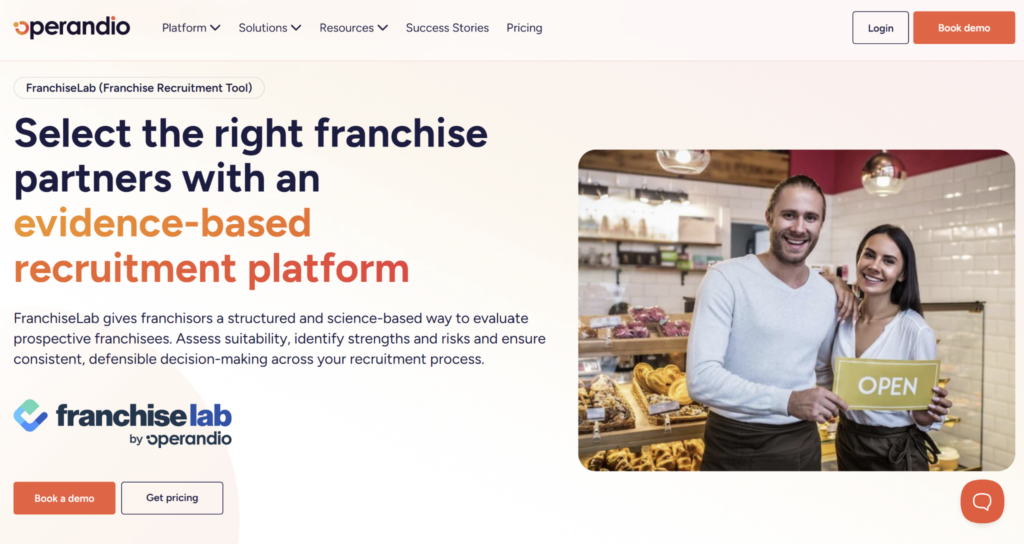
Operandio’s FranchiseLab helps franchisors assess prospective franchisees using evidence-based profiling and recruitment workflows, so the decision is not based only on sales conversations or gut feel.
Once the candidate is approved, the recruitment funnel should hand off cleanly into onboarding. The candidate now needs the documents, training, launch plan, standards, and support required to become an operator.
A structured franchise onboarding process helps make that handover smoother, so recruitment does not end with a signed agreement and a loose pile of next steps.
What Is The Difference Between Franchise Recruitment And B2B/B2C Sales?
Franchise recruitment is not normal sales because the “customer” becomes part of the operating network.
You are choosing someone who will hire staff, serve customers, handle compliance, represent the brand, and influence performance in that regional market for years.
| Franchise Recruitment | B2B/B2C Sales |
|---|---|
| Qualifies people who will operate under the brand | Sells a product or service to a buyer or user |
| Focuses on long-term fit, capital readiness, leadership, and operational discipline | Focuses on need, budget, timing, and purchase intent |
| Requires disclosure, due diligence, validation, and legal review | Usually moves through a shorter commercial buying process |
| A poor-fit candidate can damage the brand, staff experience, and customer trust | A poor-fit customer may churn, complain, or stop buying |
| The relationship continues after signing through onboarding, training, audits, and performance support | The relationship usually moves into customer success, support, or account management |
| The franchisor needs proof that the candidate can follow the system | The seller usually needs proof that the product solves the buyer’s problem |
This is why franchise recruiting needs more discipline than a normal sales pipeline. A candidate can be enthusiastic, financially qualified, and still wrong for the network.
The process has to test whether the person can operate inside the model, not only whether they want to buy into it.
For growing networks, recruitment should also connect to the wider franchise management process. The information gathered during recruitment should help the team onboard, train, monitor, and support the franchisee after approval.
Pro tip: Never let growth pressure override fit. The wrong franchisee does more damage than miss a number. They create support burden, customer inconsistency, and brand risk.
How To Drive Leads For Franchise Recruitment
Franchise recruitment leads usually come from several channels at once.
The goal is to build a pipeline that brings in enough candidates, but still gives your team room to qualify carefully.
Channel 1: SEO And Content Marketing
SEO and content marketing help franchisors attract candidates who are already researching ownership options.
These candidates may be searching for franchise opportunities, investment ranges, industry comparisons, franchise owner responsibilities, or how to choose the right brand. Good content answers those questions before the sales conversation begins.
Useful content includes:
- Franchise opportunity pages
- Investment and qualification guides
- Industry-specific ownership guides
- Franchisee success stories
- Territory expansion pages
- FAQs about the buying process
The advantage is intent. A candidate who reads three pages about your model, requirements, and support process is usually more informed than someone who clicks a short ad.
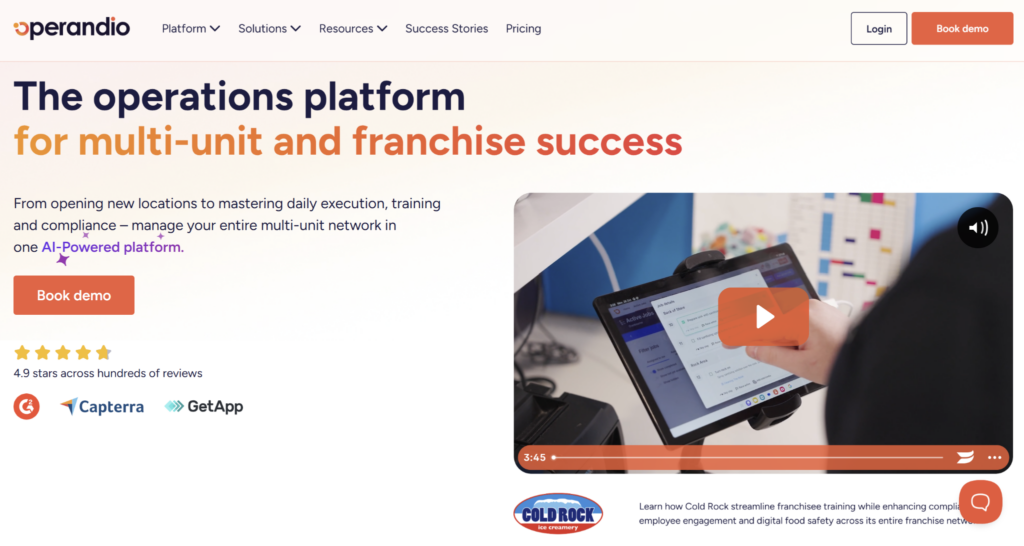
For multi-unit brands, content also helps show that the brand is built to scale. Strong franchise technology signals that the franchisor has the systems in place to support operators after the agreement is signed.
Channel 2: Franchise Portals And Broker Networks
Franchise portals and broker networks can help brands reach candidates who are actively comparing opportunities.
The upside is volume. These channels can put your brand in front of people already interested in franchise ownership.
The downside is fit. Candidates may be browsing many brands at once, and not every inquiry will match your capital requirements, market plans, culture, or operating model.
That means your qualification process needs to be tight. Do not treat portal or broker leads as automatically qualified. Ask the same hard questions about capital, management experience, preferred territory, timeline, and willingness to follow the system.
Brokers can be useful when they understand your ideal franchisee profile. But if they are rewarded only for lead volume, the franchisor still needs a thorough internal filter.
Channel 3: Paid Ads, Referrals, And Local Market Outreach
Paid ads, referrals, and local market outreach can help franchisors create demand in priority markets.
Paid search and paid social work best when the targeting is narrow and the landing page clearly explains the model. Broad campaigns can attract people who like the idea of ownership but have not thought through the investment, workload, or operating requirements.
Referrals can be higher quality because they often come through existing franchisees, operators, suppliers, or local business networks. But they still need proper qualification. A warm introduction is not the same as a good fit.
Local outreach is useful when your brand wants to grow in specific territories. That might include business groups, local operators, industry events, accountants, commercial brokers, or experienced multi-unit owners.
Pro tip: Track lead quality by channel, not only lead volume. A channel that sends fewer candidates may be better if more of them pass qualification and reach approval.
What Is The Best Way To Optimize Franchise Recruitment Practices?
The best way to improve franchise recruitment is to make the process more structured.
That means defining fit early, using the same qualification steps for every candidate, and connecting recruitment to onboarding and long-term franchisee support.
1. Use A Structured Candidate Profile
A strong franchise recruitment process should score candidates against a clear profile, not only against interest level.
Capital is a prerequisite, but it is only one part of the decision. The candidate also needs the right temperament, leadership ability, operating discipline, market fit, and willingness to follow the system.
Build a simple scoring framework around questions like:
- Does this person have the required funding?
- Can they manage people?
- Do they understand the operating model?
- Are they comfortable following brand standards?
- Do they have local market knowledge?
- Are they looking for one unit or multi-unit growth?
- Do their expectations match the reality of the business?
This makes the approval process easier to defend. It also stops the team from overvaluing candidates who are confident in interviews but weak on operational fit.
Pro tip: Score “coachability” separately. A franchisee who cannot take feedback will be hard to support once training, audits, and brand standards begin.
2. Keep Recruitment, Onboarding, And Operations Connected
Franchise recruitment does not end with the signed agreement.
The information gathered during recruitment should carry into onboarding, training, opening, monitoring, and ongoing support. If the recruitment team learns that a candidate is new to staff management, the onboarding plan should reflect that.
The same applies to market experience, operational gaps, compliance knowledge, or multi-unit ambition.
This is where many franchisors lose momentum. Recruitment lives in one spreadsheet, onboarding lives in another folder, and operations finds out later that the new franchisee needs more support than expected.
Operandio’s multi-unit franchise operations platform helps franchisors connect recruitment with the wider operating system behind the network: training, SOPs, documents, launch workflows, audits, reports, and franchisee support.
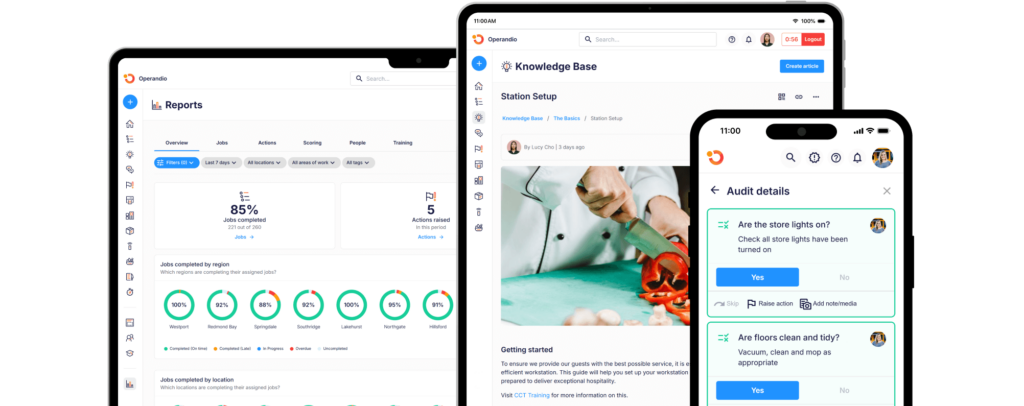
For franchisors building a more connected operating model, our franchise operations guide shows how training, execution, and visibility fit together after the candidate is recruited.
3. Prepare Disclosure And Validation Materials Early
Franchise candidates need clear, accurate information before they can make a serious decision.
That includes the Franchise Disclosure Document, investment expectations, fees, territory model, training plan, launch support, operating standards, and performance expectations.
Do not wait until a candidate is emotionally sold before sharing the hard details. That creates risk on both sides. The franchisor may waste time with someone who is not ready, and the candidate may build expectations that do not match the model.
Validation should also be structured. Candidate calls with existing franchisees, discovery days, leadership interviews, territory reviews, and financial checks should all help answer one question: can this person operate the brand well?
A strong recruitment process makes the opportunity attractive without hiding the work. Serious candidates respect that.
4. Build A Repeatable Franchisee Development Path
The best franchise recruitment teams think beyond approval.
A candidate may be a good fit today, but they still need a path to become a capable operator. That path includes onboarding, SOP software training, launch readiness, manager training, compliance expectations, and early performance support.
All of these steps are important because new franchisees often need help moving from “I understand the brand” to “I can run the model under real operating pressure.”
A franchise LMS can help organize that development path with role-based training, completion tracking, and a clearer view of who is ready for each stage.
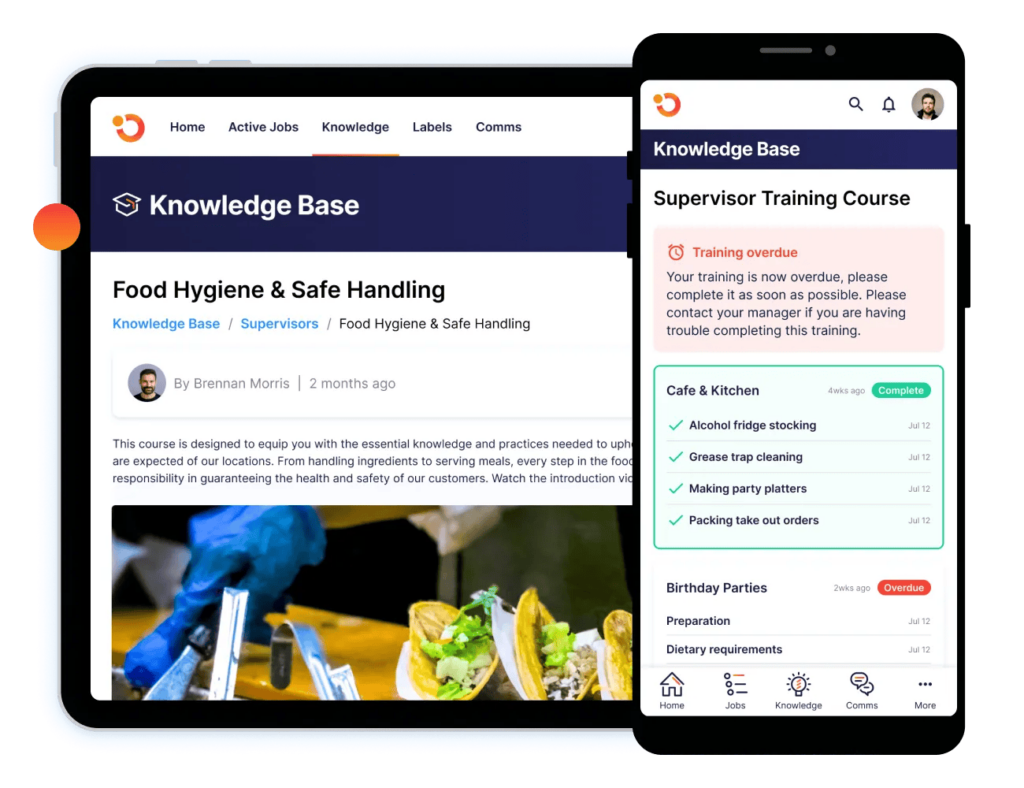
The more rigorous the development path, the easier recruitment becomes. Candidates can see that the franchisor is not merely selling a license. It is providing a system for becoming a better operator.
5. Monitor Franchisee Fit After Approval
Recruitment decisions should be reviewed after the franchisee joins the network.
Track whether approved candidates are opening on time, completing training, passing audits, following SOPs, hiring effectively, and meeting early operating expectations.
This feedback loop improves future recruitment. If high-scoring candidates keep struggling with the same issue after opening, the profile needs adjustment. If a specific channel sends candidates who look good on paper but underperform in execution, that channel may need a tighter filter.
Our franchisee monitoring guide explains the visibility metrics that matter after onboarding for maintaining standards and compliance across your growing network.
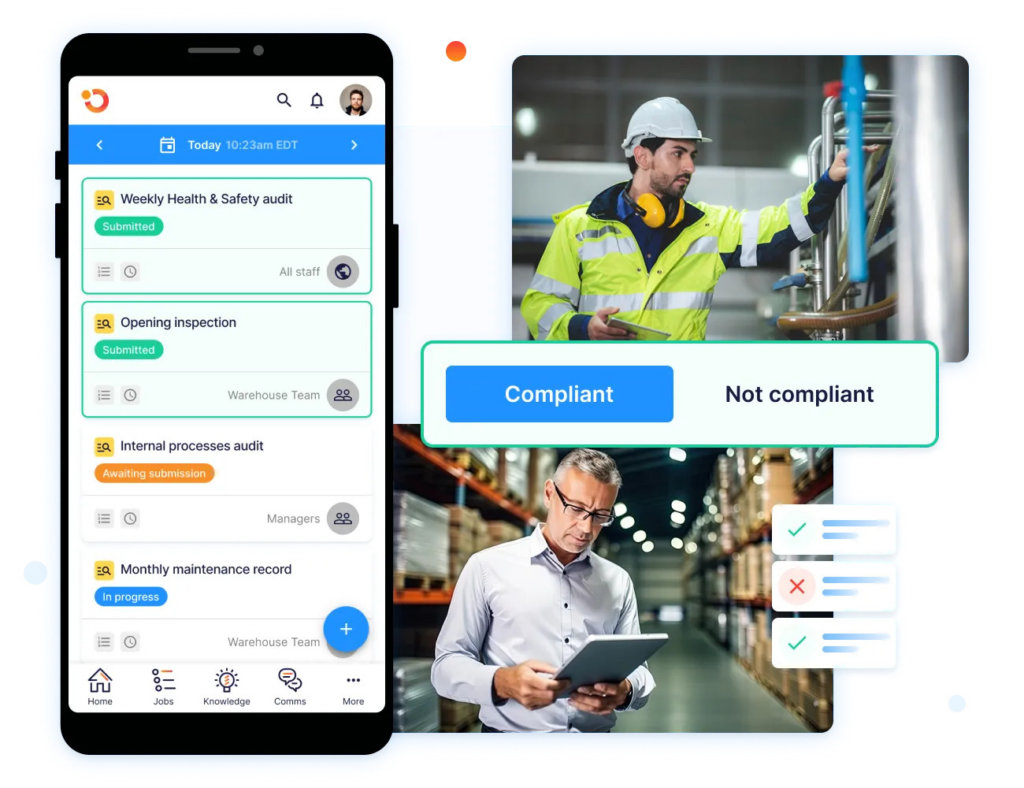
In the end, recruitment should not be judged only by the number of signed agreements. It should be judged by the quality of operators the system produces.
Find The Right Franchise Partner With Operandio
Franchise recruitment works best when candidate fit, onboarding, training, documents, launch workflows, and operational support are connected.
Operandio helps franchisors manage that full journey with FranchiseLab for recruitment, Location LaunchPad for new location openings, Knowledge & Document Management for standards, and mobile-first training for franchisees and frontline teams.
That gives growing networks a clearer way to assess candidates, prepare them for launch, and support them after approval.
If your franchise recruitment process is ready to move beyond spreadsheets and gut feel, request a demo to see how Operandio can help.
FAQs
What Does A Franchise Recruiter Do?
A franchise recruiter attracts, qualifies, and guides potential franchisees through inquiry, assessment, disclosure, validation, and approval.
What’s The Difference Between A Franchise Broker And A Franchise Consultant?
A broker usually helps match candidates with franchise brands. A consultant may advise franchisors or buyers on strategy, fit, and process.
How Much Does It Cost To Recruit A Franchisor?
Usually, costs vary by channel. Paid ads, portals, brokers, events, and internal recruitment teams can all change acquisition cost.
What Makes A Good Franchise Candidate?
A good candidate has the capital, discipline, leadership ability, local market fit, and willingness to follow the franchise system.
When Should A Business Start Franchise Recruitment?
Start when the model is proven, operations are documented, unit economics are clear, and the team has the bandwidth to support new franchisees.