
- Platform
- Features
 Operations ExecutionStreamlined operations ensuring brand standards, accountability and efficiency
 Learning ManagementTrain, verify, and reward your workforce with mobile-first education
 Franchise & Multi-Unit ManagementCentralize oversight and streamline growth across your entire multi location network
 Digital Food SafetyAutomate compliance and monitor quality with real-time digital precision
 Asset ManagementOptimize equipment uptime through proactive maintenance and smart tracking
 Health & Safety Management (EHS)Mitigate workplace risks and streamline digital incident reporting and investigations
- Platform Essentials
 AI-Powered ToolsAutomate content, analyze trends, and provide instant answers
 IntegrationsUnify your enterprise tech stack with real-time data
 Powerful ReportingAlign leadership with role-based dashboards and deeper analytics
 IoT PlatformDetect anomalies and automate workflows with intelligent sensors
 Mobile & Shared Tablet AppsSecurely empower frontline teams with fast, offline-capable access
- Footer


 Not sure what you need?
Book in a call with the team
- Features
- Solutions
- By Industry
 RestaurantsQSR, fast food and multi-unit restaurants
 Hotels & ResortsHotels, resorts and extended stay hotels
 ChildcareEarly education, childcare, daycare and preschool
 EntertainmentTheme parks, family entertainment centers and play centers
 Fitness Centers & LeisureFitness centers, golf clubs, gyms and sports facilities
 RetailBig-box retailers, franchise stores and supermarkets
- By Use Case
- Operational ExcellenceStreamlined operations ensuring brand standards, accountability and efficiency
- Learning & DevelopmentTrain, verify, and reward your workforce with mobile-first education
- Franchise & Multi-Unit ManagementCentralize oversight and streamline growth across your entire multi location network
- Food Safety ComplianceAutomate compliance and monitor quality with real-time digital precision
- Asset Management & MaintenanceOptimize equipment uptime through proactive maintenance and smart tracking
- Health & Safety Management (EHS)Mitigate workplace risks and streamline digital incident reporting and investigations
- By Industry
- Resources
- Platform
- Features
- Operations ExecutionStreamlined operations ensuring brand standards, accountability and efficiency
- Learning ManagementTrain, verify, and reward your workforce with mobile-first education
- Franchise & Multi-Unit ManagementCentralize oversight and streamline growth across your entire multi location network
- Digital Food SafetyAutomate compliance and monitor quality with real-time digital precision
- Asset ManagementOptimize equipment uptime through proactive maintenance and smart tracking
- Health & Safety Management (EHS)Mitigate workplace risks and streamline digital incident reporting and investigations
- Platform Essentials
- AI-Powered ToolsAutomate content, analyze trends, and provide instant answers
- IntegrationsUnify your enterprise tech stack with real-time data
- Powerful ReportingAlign leadership with role-based dashboards and deeper analytics
- IoT PlatformDetect anomalies and automate workflows with intelligent sensors
- Mobile & Shared Tablet AppsSecurely empower frontline teams with fast, offline-capable access
- Footer
- Not sure what you need?
Book in a call with the team
- Features
- Solutions
- By Industry
- RestaurantsQSR, fast food and multi-unit restaurants
- Hotels & ResortsHotels, resorts and extended stay hotels
- ChildcareEarly education, childcare, daycare and preschool
- EntertainmentTheme parks, family entertainment centers and play centers
- Fitness Centers & LeisureFitness centers, golf clubs, gyms and sports facilities
- RetailBig-box retailers, franchise stores and supermarkets
- By Use Case
- Operational ExcellenceStreamlined operations ensuring brand standards, accountability and efficiency
- Learning & DevelopmentTrain, verify, and reward your workforce with mobile-first education
- Franchise & Multi-Unit ManagementCentralize oversight and streamline growth across your entire multi location network
- Food Safety ComplianceAutomate compliance and monitor quality with real-time digital precision
- Asset Management & MaintenanceOptimize equipment uptime through proactive maintenance and smart tracking
- Health & Safety Management (EHS)Mitigate workplace risks and streamline digital incident reporting and investigations
- By Industry
- Resources
How software can improve your restaurant service standards
As any restaurant owner or manager knows, you can have an excellent menu, an amazing ambience, sufficient staff coverage, a perfect location and still lose customers to competitors.
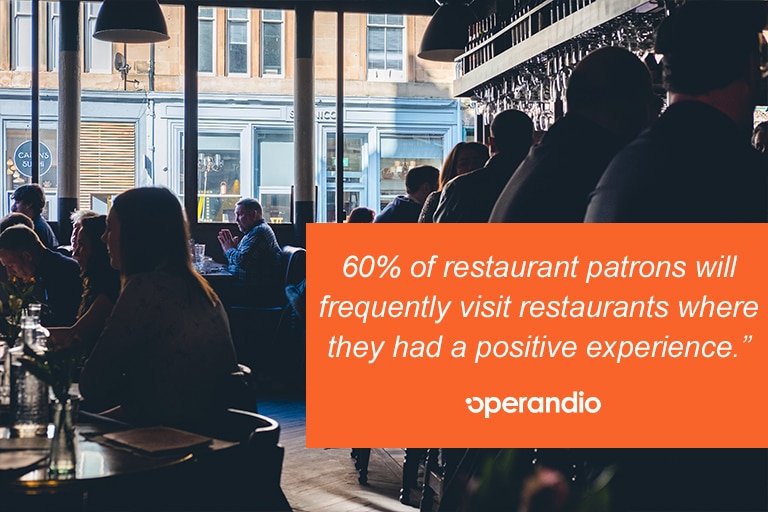
60 percent of restaurant patrons reported that they will frequently visit restaurants where they had a positive experience according to this Deloitte report.
The fundamental prerequisite for creating a successful restaurant is delivering a standard service to all of your customers, which can also mean inevitable stellar customer experiences.
Of course a great service standard should not be the only goal of a successful restaurant. However, an excellent service delivery is absolutely crucial to its success.
While standards at different restaurants will change, there are some specific barriers to service standards that remain common throughout.
Barriers to a restaurant’s service standards where technology can help
1. Tasks are not completed on time
If kitchen prep work and back-of-house tasks are not completed by staff before opening or peak trading periods, it means restaurant standards can drop quickly. Unfortunately, it is not uncommon for restaurant staff to forget to complete (or completely skip) important tasks. Implementing back of house software can help streamline task management, ensuring that essential duties are tracked and completed efficiently. Additionally, unless managers are constantly hovering nearby, it can be equally as common for them to miss cross-checking prep work and ensuring tasks have been completed on time and to standard.
Implementing digital processes and checklists in your restaurant will resolve these issues. Reminders and over-due notifications will ensure important tasks are always completed correctly and on time. Staff can quickly access their task lists via a shared kiosk or mobile app and will only see jobs that are specific to them to complete at that time. They can follow a simple workflow guiding them throughout their day. Most importantly, business owners and managers will get complete visibility with live performance data which enables them to follow up quickly, instead of waiting for mistakes to occur first before acting.
2. Inconsistent service standards delivered by different staff
Improving staff service skills makes a noticeable difference in your restaurant and to the satisfaction of your customers. With largely casual workforces and typically higher staff turn over rates than other industries, it can be a challenge for any restaurant to maintain a consistent service standard.
Digital workforce process management software will ensure that your daily procedures are consistently executed no matter who is working at the time. Staff accountability is crucial and digital checklists provide protection from simple errors happening and tasks being missed in a restaurants daily operations.
3. Poorly trained staff without quick access to training guides and manuals
Delivery speeds and standard levels can be heavily impacted when staff are not trained properly and do not have access to business information such as training and manuals. This is most noticeable when new staff members are being trained on the job during peak trading hours.
The best way to overcome this training gap is by utilising digital training tools that can be accessed by staff members quickly at any time. Unlike paper, digital training and information can be accessed instantly, any time on any device. Providing your staff with the ability to easily access guides, videos, manuals and how-tos will ensure they are able to double check they are completing tasks correctly.
Additionally, if and when the unexpected occurs such as equipment malfunctions, staff can easily access equipment manuals and common problem solving videos. It also gives restaurant owners and managers the ability to create digital onboarding checklists that new staff can work through as they complete their training.
In this day and age, real time access to business information is crucial to successful restaurant operations.

Conclusion
When it comes to providing an excellent, consistent and memorable service standard for your restaurant, it’s all about ensuring staff are accountable, are clear of their expectations and have quick access to training and other information at all times.
Operandio provides mobile and tablet-first digital checklists to keep staff accountable and on track. Critical business information and training is always be accessible and restaurant managers and owners get complete visibility of their operations. Operandio also enables multi-location businesses to run consistent standards across all their sites.
Maintaining great service standards will keep customers coming back for more.
Request an Operandio demo today, and take control of your business in ways you’d never have thought possible.